

In the hospitality industry, every square metre of a property represents a potential revenue stream — and every day a hotel is under construction represents lost income. While investors often focus heavily on architectural design and branding, one of the most overlooked yet financially significant stages of hotel development is the fit-out.
A hotel fit-out is more than the installation of furniture, fixtures, and equipment (FF&E). It is the process of translating design intent into operational reality — ensuring that every space not only looks exceptional but also functions efficiently for guests and staff. When approached strategically, fit-out planning can protect capital investment, accelerate openings, and generate millions in long-term savings.
1. Understanding the Fit-Out Process
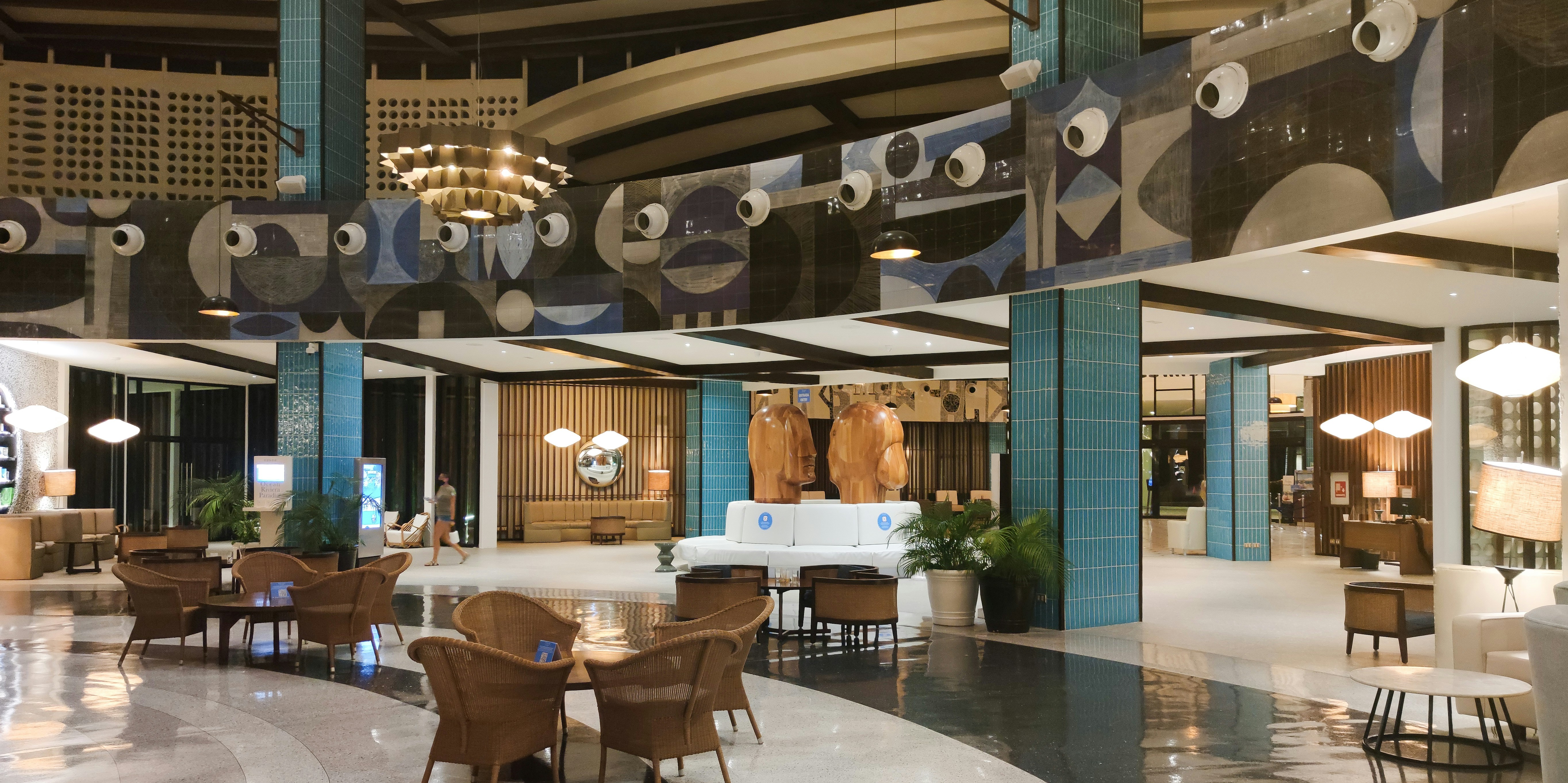
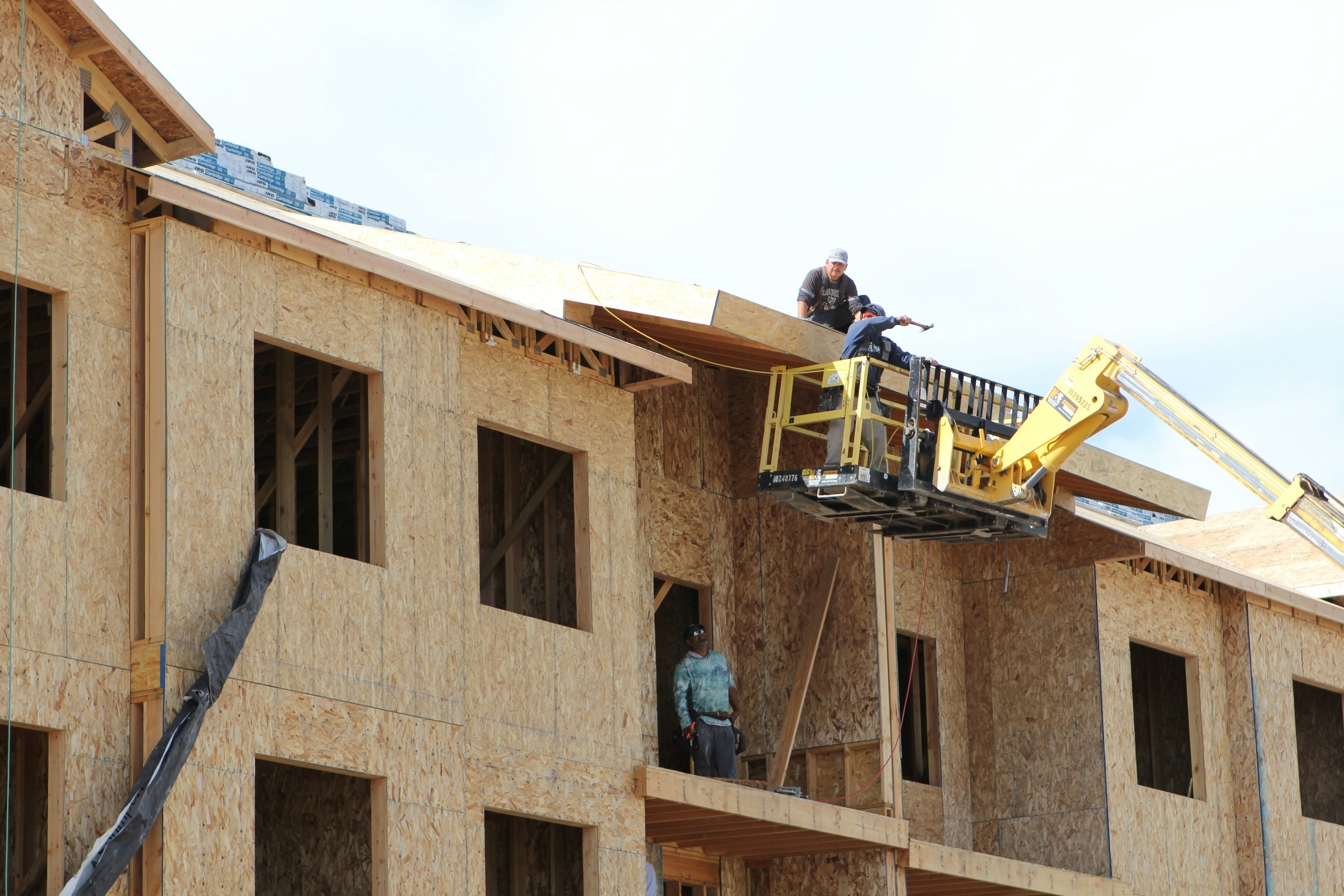
A hotel fit-out is the stage where the building transitions from a structural shell into a fully operational hospitality space. It involves:
- FF&E procurement — furniture, lighting, soft furnishings, and case goods
- OS&E procurement — linens, tableware, kitchen equipment, and operational supplies
- Installation and styling — placing and preparing all elements to brand standards
- Systems integration — ensuring technology, lighting, and operational systems work seamlessly
The difference between a rushed fit-out and a well-planned one can mean years of operational efficiency — or ongoing maintenance headaches and premature refurbishments.
2. Why ROI Depends on Fit-Out Planning
A hotel’s ROI is influenced by three key variables: cost control, speed to market, and guest satisfaction. Strategic fit-out planning impacts all three.
- Cost Control — Early procurement planning allows for competitive supplier negotiations and bulk purchasing, avoiding last-minute premium pricing.
- Speed to Market — A phased, coordinated fit-out schedule minimises idle time between construction and opening, reducing lost revenue days.
- Guest Satisfaction — A fit-out that prioritises quality, comfort, and operational ease directly affects reviews, repeat bookings, and average daily rates (ADR).
When a fit-out is managed as a core business investment — rather than a last-stage afterthought — it becomes a major driver of profitability.
3. The Cost of Poor Planning
Industry data shows that last-minute procurement decisions can inflate FF&E budgets by 15–25%. Poor coordination between design, procurement, and construction teams often results in:
- Redesign costs when items do not fit the space
- Extended opening delays due to missing or damaged deliveries
- Expensive airfreight for late orders
- Ongoing operational inefficiencies from poorly chosen materials or layouts
One luxury hotel operator in Europe estimated that a lack of fit-out strategy added €2 million in costs and delayed their opening by four months — wiping out an entire high-season revenue period.
4. Strategic Procurement for Maximum ROI
Procurement is the backbone of a cost-effective fit-out. A well-managed process involves:
- Early Sourcing — Identifying and engaging suppliers before construction is complete to secure production slots.
- Value Engineering — Finding alternative products that meet design and performance criteria at lower costs.
- Supplier Consolidation — Reducing the number of vendors to maximise volume discounts.
- Logistics Planning — Scheduling deliveries in line with installation phases to avoid storage costs and damage risk.
An experienced fit-out team manages procurement holistically — balancing quality, aesthetics, cost, and operational durability.
5. Aligning Fit-Out with Operational Flow
A beautiful hotel is only profitable if it works efficiently for staff. Smart fit-out planning integrates operational needs into every decision:
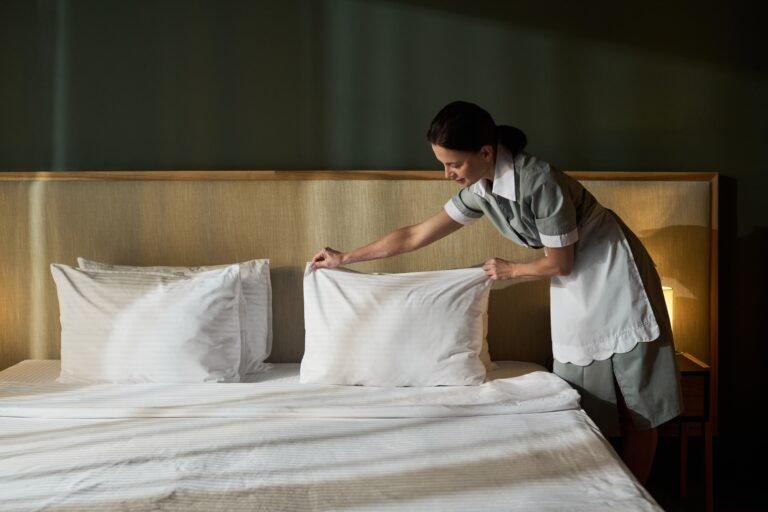
- Guestroom layouts that allow housekeeping to clean quickly and without strain
- Restaurants with logical service flows from kitchen to table
- Reception desks designed for high check-in volumes without bottlenecks
- Storage solutions built into back-of-house areas to reduce clutter and improve staff productivity
These seemingly small design choices can save hundreds of labour hours annually — directly reducing operating costs.
6. Brand Standards and Consistency
For branded hotels, fit-out planning must comply with strict brand standards while allowing for local adaptation. Deviations from these standards can delay brand approval and lead to costly rework.
A skilled fit-out partner ensures:
- All FF&E meets required brand specifications
- Local materials and craftsmanship are integrated without compromising brand identity
- Documentation is prepared for smooth brand sign-off
This attention to compliance accelerates opening and avoids post-installation corrections.
7. Technology Integration Without Disruption
Technology is now a major component of hotel fit-outs, from in-room entertainment systems to keyless entry and smart lighting. Poor planning can lead to unsightly retrofits and system failures.
A technology-conscious fit-out plan includes:
- Pre-wiring and concealed infrastructure for future upgrades
- Integration of hardware into furniture and architectural features
- Coordination between IT vendors and interior teams to preserve design integrity
When technology is embedded thoughtfully, it enhances the guest experience without disrupting the aesthetic.
8. Sustainability as a Profit Driver
Sustainable fit-out choices not only appeal to eco-conscious travellers but also reduce long-term operating costs. Examples include:
- Energy-efficient lighting and HVAC systems
- Durable materials with longer replacement cycles
- Locally sourced products to cut transport costs and environmental impact
Some operators report a 15–20% reduction in utility costs after implementing sustainable fit-out strategies — savings that compound year after year.
9. Case Study: Fit-Out ROI in Action
A 200-key resort in Portugal worked with an integrated design-build-fit-out team to plan procurement six months ahead of schedule. By consolidating suppliers, negotiating early contracts, and aligning fit-out with operational flow, they:
- Saved €1.4 million in FF&E costs
- Opened six weeks ahead of schedule, gaining €3 million in additional revenue
- Achieved a 9% increase in guest satisfaction scores within the first year
This project demonstrates that fit-out is not a decorative expense — it is a direct revenue driver.
10. Why Fit-Out Specialists Outperform General Contractors
While general contractors excel at structural construction, fit-out requires a different skill set — one that bridges design, procurement, and operations. Fit-out specialists:
- Understand brand requirements
- Have established supplier networks for hospitality-grade products
- Coordinate installation sequences to minimise disruption
- Bring an eye for detail that ensures flawless finishes
By working with a dedicated fit-out partner like Arghco, hotels benefit from efficiency, quality control, and measurable financial returns.
Conclusion
Smart fit-out planning is one of the most powerful tools hotel owners and investors have for maximising ROI. It protects budgets, accelerates openings, enhances guest satisfaction, and extends the lifecycle of the property.
For investors seeking to protect their capital and achieve sustainable profitability, engaging an experienced fit-out specialist is not an optional extra — it is a strategic necessity.