

Introduction to Agile Project Management
In today’s fast-paced world, agile project management is revolutionizing how we approach various fields, particularly in design and construction. This methodology allows teams to adapt quickly to changes, ensuring that projects remain on track and within budget. Emphasizing collaboration and flexibility, agile project management is pivotal for success in any development venture.
Implementing Agile in Design
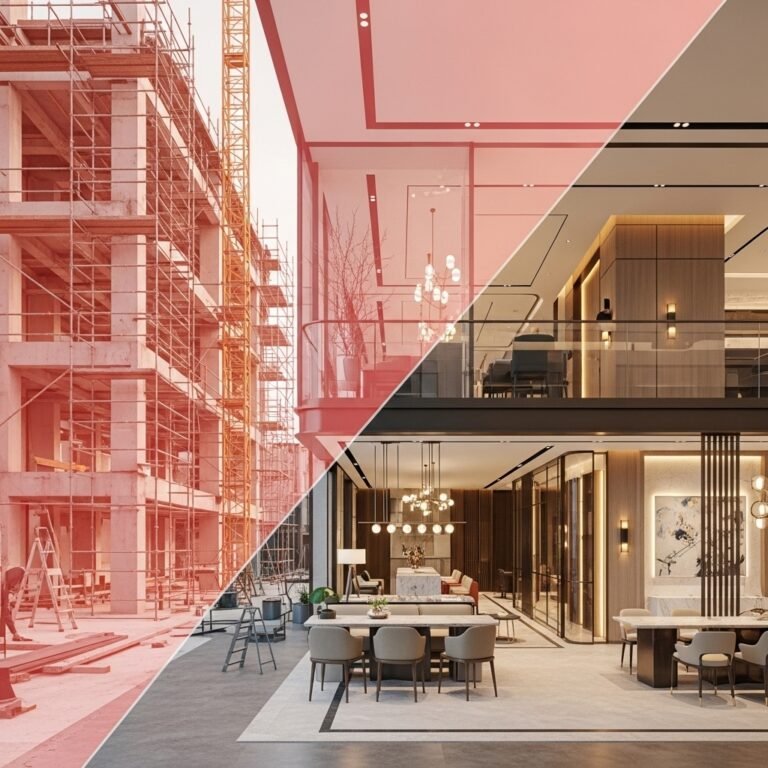
Design projects greatly benefit from agile practices. By breaking down the design process into smaller, manageable phases, teams can receive continuous feedback from stakeholders. This iterative approach allows designers to refine their concepts before the final build, reducing the risk of costly revisions later on. Furthermore, agile encourages cross-functional team collaboration, ensuring that designers, architects, and engineers work seamlessly together.
Agile Methods in Construction
When applied to construction, agile project management enables teams to adapt to unexpected challenges effectively. By using short sprints, project teams can assess progress regularly, making timely decisions to enhance efficiency. For instance, if a design element needs adjustment due to materials’ unavailability, agile methods facilitate prompt redesigns, helping teams stay aligned with their project timeline.
In conclusion, incorporating agile project management within design and construction not only streamlines workflows but also enhances the quality of outcomes. A commitment to agile principles can lead to improved communication, increased productivity, and, ultimately, successful project delivery. Whether you’re a project manager, designer, or contractor, embracing agile can transform how you approach your trade.