
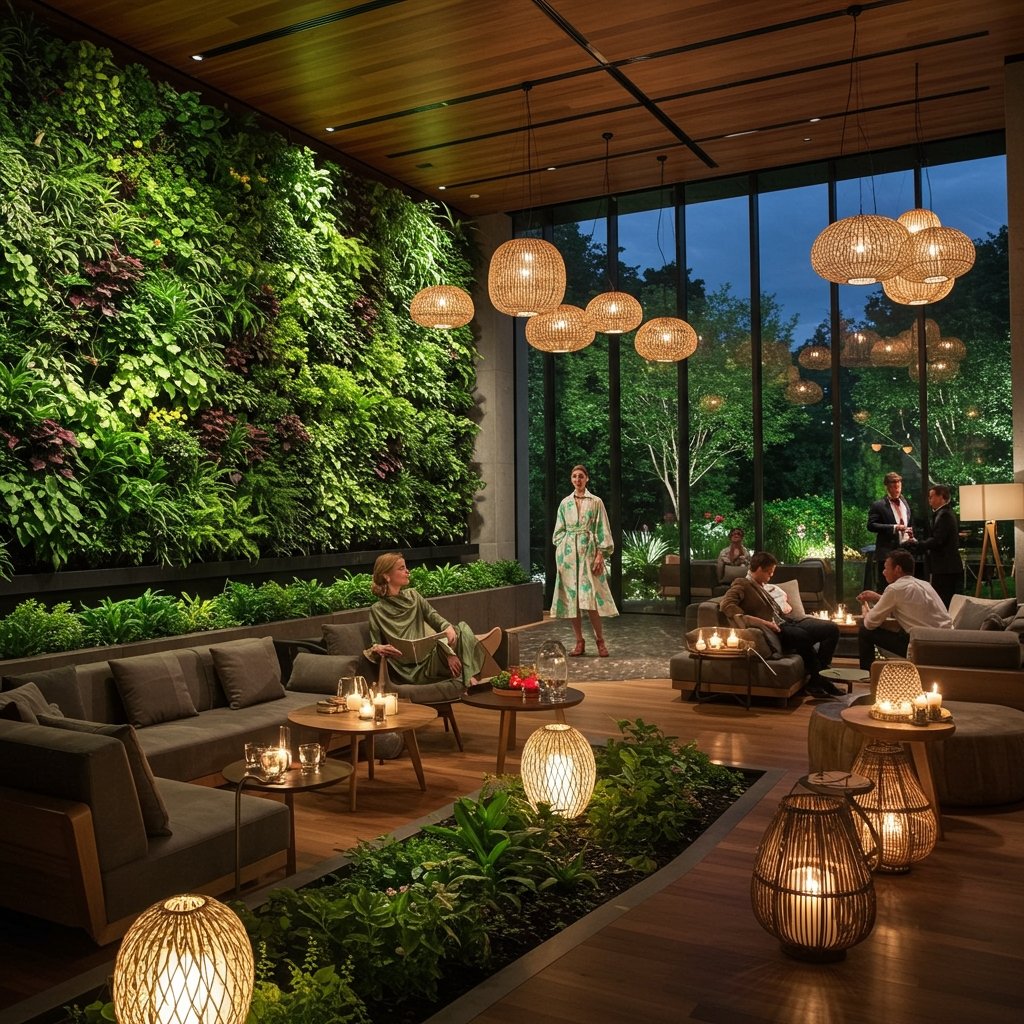
Why Longevity Matters in Hospitality Design
In the fast-moving hospitality industry, design trends can change almost as quickly as guest expectations. While trendy interiors can generate initial buzz, they often require costly updates within just a few years. Classic design, by contrast, prioritises timeless appeal, durability, and adaptability — ensuring a property remains relevant, beautiful, and operationally efficient for decades. For hotel owners and investors, longevity is not simply a design preference; it is a business strategy that protects capital investment and enhances brand value.
Defining Classic Design in Hospitality
Classic design does not mean replicating a specific historical style. Instead, it focuses on enduring proportions, balanced layouts, and timeless materials that adapt gracefully to evolving trends. A truly classic hospitality space incorporates architectural elements that can support subtle modern updates without losing its identity. The goal is to create interiors that still feel relevant ten or fifteen years after opening.
The Business Case for Longevity
Frequent redesigns disrupt operations and drain capital. By investing in a timeless foundation, operators extend refurbishment cycles and reduce downtime. Longevity also builds guest loyalty, as returning visitors appreciate a sense of familiarity even as small details are refreshed over time. This brand consistency reinforces trust and strengthens market positioning.
Material Selection for Durability
Materials in hospitality spaces must withstand high traffic while retaining their aesthetic appeal. Natural stone such as marble and granite develops a patina rather than showing wear. Solid hardwoods can be refinished rather than replaced. High-performance upholstery fabrics with high rub counts maintain appearance under heavy use. Metals like brass and bronze age gracefully and can be polished or left to develop character over time.
Colour Palettes That Endure
While bold colours may capture attention, they can also date a space quickly. Timeless palettes are inspired by nature — warm neutrals, soft blues, muted greens, and rich earth tones. Accents can be introduced through artwork, seasonal accessories, and easily replaced soft furnishings, allowing properties to adapt without undertaking a full redesign.
Layouts that Adapt Over Time
A well-planned spatial layout should remain functional for decades. Flexible furniture arrangements, clear sightlines, and intuitive traffic flow enable spaces to adapt to new uses. For example, a restaurant may need to accommodate both intimate dining and larger group events; a classic layout can be reconfigured without compromising aesthetic harmony.
Architectural Detailing that Stands the Test of Time
Classic details — such as coffered ceilings, wainscoting, and arched openings — add character that does not go out of style. These elements create a strong architectural framework that can be layered with contemporary accents without clashing. Choosing proportions and motifs that are neither overly ornate nor aggressively minimal ensures broad, lasting appeal.
Integrating Technology Without Dating the Space
Technology evolves faster than design trends. To avoid premature obsolescence, integrate systems in a way that allows for easy upgrades. Concealed wiring, modular lighting, and discreet AV installations make it possible to update functionality without redesigning the entire space. This approach mirrors strategies discussed in The Psychology of Space: How Interior Design Shapes Guest Experience, where adaptability is key to longevity.
Sustainability and Longevity
Sustainable design is inherently aligned with longevity. Durable materials reduce waste, and timeless aesthetics prevent unnecessary replacements. Using locally sourced, sustainable finishes not only supports environmental goals but also ties into authentic brand storytelling as explored in The Brand Experience in Hospitality Design: Storytelling Through Space.
Lighting for Timeless Ambience
Lighting should be both functional and adaptable. Layered lighting schemes, using ambient, task, and accent sources, allow for flexibility in mood setting. Fixtures should have a classic form that can accommodate changes in lighting technology without replacement. Warm tones tend to age better aesthetically than cooler hues, maintaining a welcoming feel.
Partnering with the Right Design-Build Team
The success of a longevity-focused project relies on the expertise of the design-build partner. A team that understands both hospitality branding and operational realities can deliver a space that meets current needs while anticipating future demands. Collaboration from concept through fit-out ensures design integrity over the long term.
Conclusion: A Strategy for Lasting Value
Designing for longevity is about more than aesthetics — it is about protecting investment, preserving brand identity, and ensuring operational efficiency. Classic design choices offer the flexibility to adapt to changing trends while maintaining a cohesive, high-quality environment. For hospitality brands aiming for long-term success, timeless design is one of the most reliable and cost-effective strategies available.