

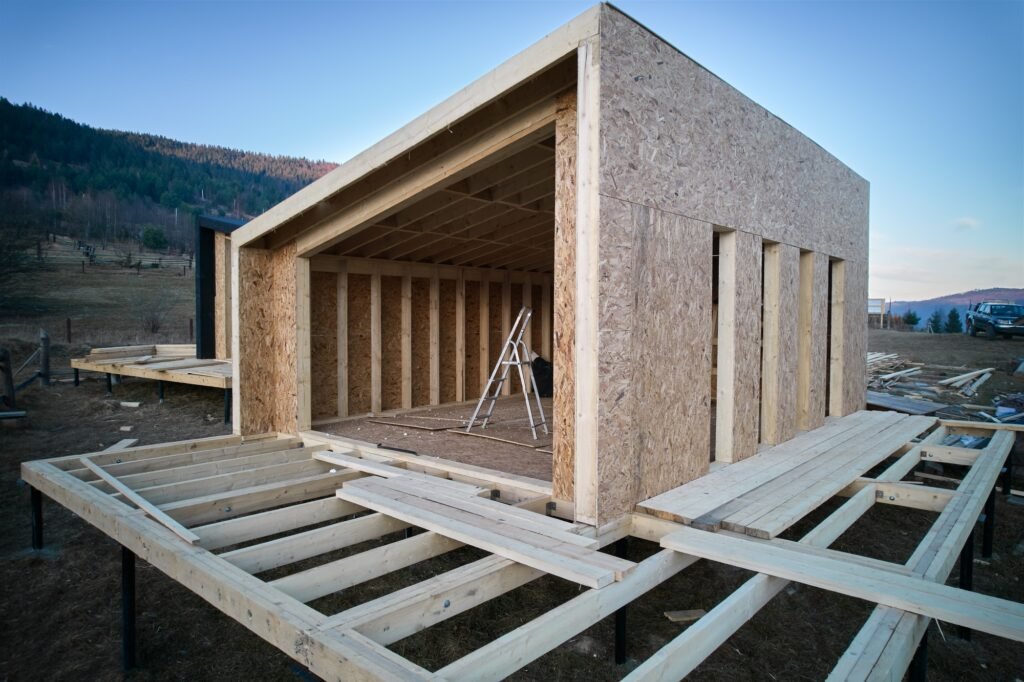
Understanding Sustainable Construction
Sustainable construction refers to the creation of structures that are environmentally responsible, resource-efficient, and socially beneficial. This approach to building has gained prominence in recent years due to the growing awareness of environmental challenges such as climate change, deforestation, and resource depletion. As the construction industry accounts for a significant portion of global carbon emissions and material consumption, adopting sustainable practices is of paramount importance in promoting a healthier planet.
The key principles of sustainable construction aim to minimize the environmental impact of building activities. This involves using materials that are sourced sustainably, such as recycled or rapidly renewable resources, which help to reduce the carbon footprint associated with construction. In addition to material selection, sustainable construction emphasizes energy efficiency throughout the building’s lifecycle. This includes integrating energy-efficient systems and appliances, utilizing renewable energy sources, and ensuring proper insulation to reduce energy consumption.
Moreover, sustainable construction prioritizes water conservation by implementing systems that promote efficient water usage and management. Techniques such as rainwater harvesting and greywater recycling are increasingly being utilized to minimize water waste and support local ecosystems. Furthermore, communities benefit from sustainable buildings that incorporate green spaces, improving overall well-being while enhancing aesthetic appeal.
Another critical aspect of sustainable construction is promoting the health and well-being of occupants. This can be achieved through the use of non-toxic materials, proper ventilation, and ample natural light, all of which contribute to enhanced indoor air quality. By focusing on these factors, sustainable construction not only addresses environmental concerns but also fosters healthier living environments.
Ultimately, the integration of sustainable practices in construction projects lays a foundation for long-term value. It reduces operational costs, improves community resilience, and creates structures that can withstand future challenges, making it an indispensable component of modern building practices.
Eco-Friendly Materials: The Foundation of Sustainability
In the realm of sustainable construction practices, eco-friendly materials play an essential role in achieving long-term value and minimizing environmental impact. These materials not only contribute to the construction’s structural integrity but also provide significant benefits in energy efficiency and reducing the overall carbon footprint of a project. By selecting materials such as recycled steel, bamboo, and low-VOC (volatile organic compounds) paints, builders can create living spaces that are both sustainable and resilient.
Recycled steel, for example, is a prominent choice due to its remarkable durability and strength. Utilizing recycled steel in construction not only conserves resources but also prevents waste that would otherwise end up in landfills. This material also requires less energy to produce than new steel, thereby reducing greenhouse gas emissions significantly. Architects and builders embracing sustainable designs often favor steel structures because of their potential to be reconfigured or repurposed for future projects, further promoting sustainability.
Bamboo, another exceptional eco-friendly material, boasts rapid growth rates and can be harvested without causing environmental harm. It is a versatile building material that offers aesthetics and strength, making it suitable for various architectural applications. In terms of thermal insulation, bamboo panels can enhance energy performance, leading to more efficient climate control within living spaces.
Additionally, the use of low-VOC paints is crucial for maintaining indoor air quality. Traditional paints contain harmful chemicals that can release toxic fumes, adversely affecting health and the environment. Low-VOC alternatives minimize these risks while still providing a range of colors and finishes. Sourcing these materials locally also strengthens the sustainability loop by decreasing transportation emissions and supporting local economies. Ultimately, the thoughtful integration of eco-friendly materials is critical for fostering an environmentally responsible future in construction.
Energy Efficiency in Design and Construction
Enhancing energy efficiency in construction projects has become a critically important aspect of sustainable building practices. An increasing number of developers and architects are integrating innovative strategies during the design phase to ensure long-term value in their constructions. One prominent approach is passive solar design, which strategically harnesses sunlight and natural airflow to minimize energy consumption. By carefully orienting buildings and incorporating elements such as overhangs, clerestory windows, and thermal massing materials, designers can significantly reduce the reliance on artificial lighting and heating systems.
In conjunction with passive solar strategies, the implementation of energy-efficient HVAC (heating, ventilation, and air conditioning) systems plays a vital role in enhancing the overall energy performance of a building. The latest advancements in HVAC technology allow for the development of systems that use considerably less energy compared to conventional models. These systems provide optimal thermal comfort while ensuring lower operational costs for building occupants. Incorporating smart thermostats and advanced zoning controls can help monitor and regulate energy use, thereby contributing to reduced energy waste.
Another essential component of achieving energy efficiency is the use of high-performance insulation materials. Proper insulation not only helps maintain comfortable indoor temperatures but also minimizes the energy required for heating and cooling. Utilizing advanced insulation technologies – such as insulated concrete forms, spray foam insulation, and reflective barriers – enables buildings to perform better in terms of energy consumption. Thoroughly considering insulation during the design process ensures a tighter building envelope, resulting in minimized energy loss. Moreover, the long-term benefits of energy-efficient designs extend beyond just financial savings; they also foster a positive environmental impact by substantially reducing the carbon footprint of construction projects.
The Role of Innovative Technologies in Sustainable Building
In the evolving landscape of construction, the integration of innovative technologies plays a pivotal role in promoting sustainable building practices. Modern advancements, such as smart building technologies, offer a pathway to enhance energy efficiency, reduce waste, and minimize the overall environmental impact of construction projects. These technologies utilize sensors, automation, and data analytics to optimize the use of resources, thereby fostering sustainable environments that are both functional and conducive to long-term value.
One significant aspect of smart building technologies is the implementation of energy management systems. These systems monitor and control energy use in real-time, allowing for the identification of inefficiencies and the optimization of energy consumption. Moreover, incorporating renewable energy sources, such as solar panels and wind turbines, further strengthens the sustainability of building projects. Such measures not only reduce reliance on conventional energy but also contribute to lower utility costs over time.
Alongside energy efficiency, water-saving fixtures represent another innovative technology that significantly contributes to sustainable construction. The installation of low-flow faucets, dual-flush toilets, and water-efficient irrigation systems can greatly diminish water consumption. Implementing these fixtures is an essential step in combating water scarcity and demonstrates a commitment to environmental stewardship within the construction sector.
Furthermore, obtaining green building certifications, such as LEED (Leadership in Energy and Environmental Design), highlights a project’s adherence to sustainable practices. These certifications serve as benchmarks for energy and environmental design quality, ensuring that buildings meet specific sustainability criteria. As the demand for eco-friendly structures rises, achieving such certifications can enhance a project’s marketability and value.
Ultimately, the continuous improvement and adaptation of innovative technologies are vital to maintaining sustainability at the forefront of the construction industry. By prioritizing these advancements, stakeholders can ensure that future projects not only adhere to current sustainability standards but also lead the way in embracing emerging solutions that further enhance environmental responsibility.
