
Why Maintenance Matters in High-End Hospitality
Luxury hotels thrive on delivering a flawless guest experience. While design often focuses on aesthetics and brand storytelling, maintenance is the invisible element that keeps a property looking and performing at its best. Designing with maintenance in mind ensures that the investment made in fit-out, finishes, and technology continues to deliver value for years without constant, costly interventions.
The True Cost of Poor Maintenance Planning
When design choices fail to account for long-term upkeep, hotels face higher operational costs, more downtime, and premature refurbishments. This can result in lost bookings, lower guest satisfaction, and negative brand perception. By integrating maintenance strategies into the design stage, operators avoid many of the pitfalls highlighted in Avoiding the Top 10 Pitfalls in Hotel Renovations.
Material Selection for Longevity
High-end finishes must also be durable. Choosing materials that resist wear, stains, and UV damage reduces the frequency of replacement. Engineered stone for countertops, high-performance fabrics with Crib 5 compliance, and moisture-resistant wall coverings in spa areas all combine beauty with resilience. Maintenance manuals from suppliers should be reviewed during procurement to ensure cleaning requirements align with operational capacity.
Layout Design for Operational Efficiency
Spaces should be arranged to simplify cleaning and repairs. Modular flooring systems allow for easy replacement of damaged sections without disrupting the entire area. Access panels concealed within wall finishes make it possible to service mechanical or electrical systems without major demolition. This design foresight minimises guest disruption while keeping facilities in peak condition.
Choosing Fixtures with Serviceability in Mind
Luxury lighting, bespoke furniture, and custom joinery must be designed for ease of servicing. Removable LED modules, concealed but accessible wiring channels, and replaceable upholstery panels allow for updates without the need for full replacement. As explored in Technology Integration Without Compromising Timeless Design, planning for access is as important as the installation itself.
Preventative Maintenance Integration
Designers can support preventative maintenance by specifying finishes and systems that make inspections straightforward. Clearly labelled shut-off valves, centralised service points, and sensor-enabled systems help engineering teams identify and resolve issues before they escalate.
Case Study: Spa and Wellness Areas
Spa environments are particularly vulnerable to wear from moisture, heat, and chemical exposure. Selecting non-slip, mould-resistant flooring, corrosion-proof fixtures, and sealed joinery prevents deterioration while maintaining a luxurious appearance. Airflow and humidity control should be integrated into the design to protect both finishes and guest comfort.
Staff-Friendly Design Features
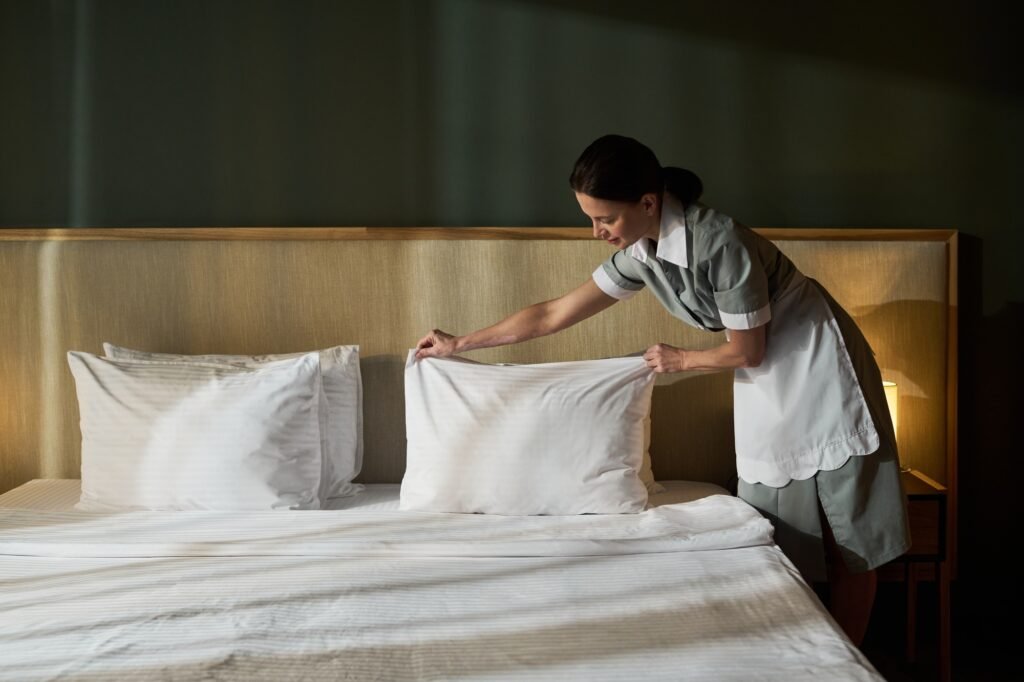
Staff are the first line of defence in maintaining a luxury standard. Simple adjustments — such as specifying corner protectors in high-traffic corridors, choosing furniture on casters for easy movement, and selecting washable wall finishes — make cleaning and upkeep faster and less labour-intensive.
Sustainability and Maintenance Go Hand in Hand
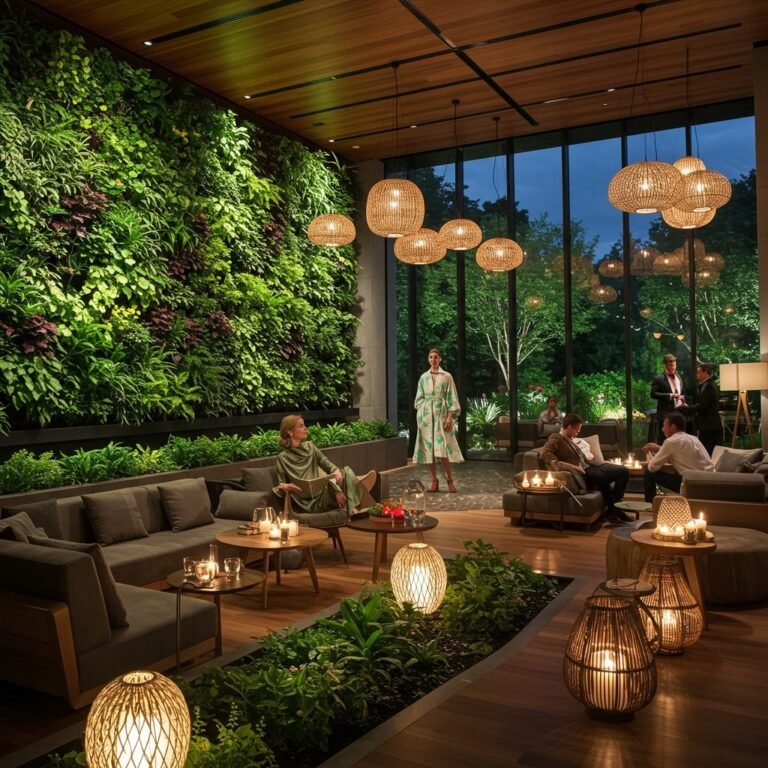
Longer-lasting materials not only save money but also reduce waste. Designing for easy maintenance supports environmental goals by extending the lifecycle of products, reducing landfill waste, and lowering the carbon footprint associated with frequent replacements. This complements the principles discussed in Sustainable Luxury: Eco-Friendly Materials for High-End Hospitality.
Linking Maintenance to Brand Consistency
When finishes, fixtures, and layouts are easier to maintain, the hotel can consistently deliver the same quality experience, regardless of season or occupancy. This level of consistency reinforces brand trust and can be a decisive factor for repeat guests and positive reviews.
Conclusion: Maintenance as a Design Principle
Easy maintenance is not an afterthought — it’s a core design principle that protects investment, preserves guest experience, and upholds a property’s reputation. For luxury hotels, the elegance of a space is not just in its creation, but in its ability to remain pristine and functional through years of use.