

Understanding Hospitality Design: Connecting People to Space
Hospitality design is more than the arrangement of furniture, selection of colours, and placement of decorative features. At its core, it is the art and science of creating environments that influence how people feel, move, and interact. In a hotel, resort, restaurant, or spa, every design decision shapes the guest experience — from the moment they arrive to the moment they leave.
Successful hospitality design is not purely aesthetic. It is deeply human, rooted in the psychology of space and the cultural context of the people who will inhabit it. Understanding how design connects people to space is essential for creating venues that inspire loyalty, encourage social interaction, and enhance the brand’s identity.
1. The Role of Emotional Connection in Hospitality Spaces
Guests remember how a space made them feel long after they forget the décor details. This is why emotional connection is the foundation of hospitality design. The most successful venues are those that create positive, memorable experiences through carefully orchestrated sensory cues.
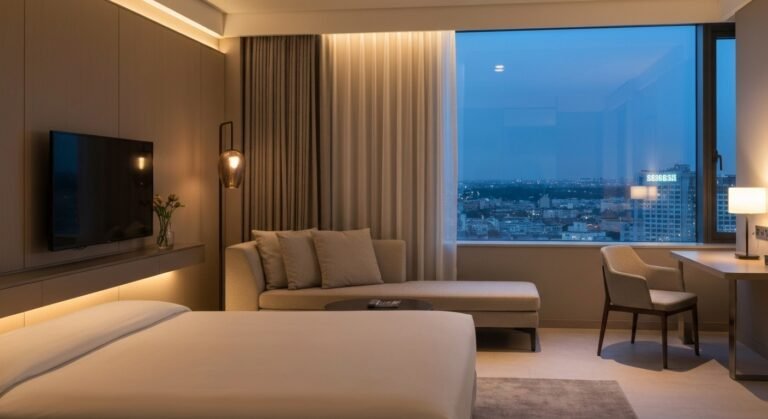
For example, a luxury resort may evoke serenity through muted lighting, natural textures, and flowing spatial layouts. A vibrant city hotel might focus on energising colours, dynamic artwork, and an upbeat lobby soundtrack. In both cases, the design is aligned with the desired emotional state of the guest.
2. Cultural Relevance and Local Storytelling
In hospitality, no two locations should feel exactly the same. Cultural authenticity builds a sense of place and gives guests something unique to connect with. This is especially important for international travellers seeking meaningful experiences beyond standardised luxury.
Designers achieve this by integrating locally inspired materials, art, and craftsmanship. In Portugal, for instance, the use of azulejo tilework can create a direct link to national heritage. In Dubai, contemporary interpretations of Arabic geometric patterns can deliver both elegance and cultural resonance. This connection to the local environment turns a property into a destination in its own right.
3. Space Planning as a Social Framework
The way spaces are planned dictates how people interact within them. In hospitality, this means understanding patterns of guest movement, social behaviour, and operational flow.
Effective space planning creates both communal areas that encourage interaction and private spaces that allow for retreat. For example:
-
A hotel lobby should invite exploration, with clear sightlines to the reception, lounge, and dining areas.
-
Restaurants benefit from a mix of intimate seating for small groups and larger arrangements for social gatherings.
-
Spa facilities should have fluid circulation between treatment rooms, relaxation lounges, and wet areas to maintain a sense of calm.
By mapping out guest journeys in advance, designers can ensure the space supports both operational efficiency and guest comfort.
4. Sensory Design and Multilayered Experiences
Hospitality design is inherently multisensory. Each element — lighting, acoustics, materials, scent — works together to create a cohesive experience.
-
Lighting sets the mood, from the warm glow of table lamps in a fine dining restaurant to the crisp, bright illumination in a conference centre.
-
Acoustics influence comfort, with sound-absorbing materials helping to create intimacy in restaurants or serenity in spas.
-
Texture and Materiality add tactile richness, encouraging guests to feel connected to their surroundings.
-
Scent can anchor memory; the subtle fragrance in a hotel lobby can become a signature brand element.
When these sensory elements are aligned with brand values, they create a seamless, immersive environment.
5. Flexibility for Changing Needs
Hospitality spaces must be adaptable to different functions, seasons, and guest demographics. A flexible design approach allows properties to evolve without costly overhauls.
For example:
-
Movable partitions in conference rooms enable multiple event setups.
-
Outdoor terraces with retractable covers can be used year-round.
-
Modular furniture can be rearranged for special events without sacrificing the overall design integrity.
Flexibility ensures a property remains relevant in a rapidly changing hospitality market.
6. The Interplay Between Privacy and Community
One of the most complex aspects of hospitality design is balancing guest privacy with opportunities for social engagement. In some environments, guests want to connect with others; in others, they seek solitude.
Designers can address this by layering spaces:
-
Public zones such as lobbies, lounges, and bars for interaction.
-
Semi-private spaces like quiet corners, small alcoves, or secluded outdoor seating.
-
Private areas including guest rooms and exclusive-use facilities.
This zoning creates an intuitive flow, giving guests control over how they engage with the space.
7. Technology as an Invisible Facilitator
Technology is essential in modern hospitality, but it should enhance rather than dominate the guest experience. Integrating technology seamlessly into the design allows guests to enjoy its benefits without disrupting the ambience.
Examples include:
-
Hidden charging points in furniture
-
Automated lighting systems that adjust to natural daylight cycles
-
Digital check-in kiosks integrated into reception desks without creating visual clutter
By making technology feel natural and unobtrusive, designers preserve the human element of hospitality.
8. Sustainability and Wellbeing
Today’s guests are increasingly aware of environmental impact and personal wellbeing. Hospitality design that prioritises sustainability not only benefits the planet but also resonates with eco-conscious travellers.
Key strategies include:
-
Using sustainably sourced materials and finishes
-
Incorporating biophilic elements like indoor plants, water features, and natural daylight
-
Designing energy-efficient systems for heating, cooling, and lighting
When sustainability is paired with wellness-driven design — such as quiet zones, ergonomic furniture, and air quality monitoring — the result is a space that feels as good as it looks.
9. The Brand Experience in Every Detail
A hospitality property’s brand identity should be evident in every design choice, from the grand architectural gestures down to the smallest touchpoints. Guests should be able to walk into any part of the property and intuitively feel they are in the same brand environment.
This consistency builds trust and strengthens the emotional connection between guest and brand. It also differentiates the property in a competitive market, making it more memorable and shareable across social media.
10. Partnering with Experts Who Understand Human-Centred Design
To truly connect people to space, hospitality design must be executed by professionals who understand both the artistic and operational sides of the industry. Architects, interior designers, and fit-out specialists must work together to deliver environments that are visually stunning, operationally efficient, and emotionally engaging.
At Arghco, our projects across the UK, Ireland, Spain, Jordan, Portugal, and Dubai embody this holistic approach — blending architectural vision, cultural insight, and precise construction to create spaces that guests remember and return to.
Conclusion
Hospitality design is ultimately about people. By focusing on emotional connection, cultural authenticity, thoughtful space planning, sensory harmony, and brand consistency, designers can create environments that feel meaningful, memorable, and worth revisiting.
When guests feel connected to a space, they are not just staying in a property — they are living an experience. That is the ultimate success in hospitality design.