
Sustainable and Eco-Friendly Materials
In recent years, sustainability has emerged as a fundamental principle within luxury residential design. Homeowners increasingly prioritize eco-friendly materials, leading to significant changes in how high-end residences are crafted. Designers are now integrating sustainable elements that not only enhance the aesthetic appeal of luxury homes but also promote environmental stewardship and occupant health.
One prominent trend is the use of reclaimed wood, which results from salvaging timber from old structures. This practice not only preserves valuable natural resources but also adds a unique character and historical context to modern designs. Reclaimed wood can be transformed into elegant flooring, cabinetry, and decorative accents, showcasing the beauty of raw materials while minimizing carbon footprints.
Another substantial advancement in eco-friendly luxury design involves the utilization of recycled metals. By sourcing materials such as aluminum and steel from scrap processing facilities, designers not only decrease the demand for newly mined resources but also reduce energy consumption associated with material production. These metals can be reimagined in striking architectural details, structural elements, and fixtures, marrying form and function while supporting a more sustainable future.
Additionally, the incorporation of low-VOC (volatile organic compounds) finishes plays a crucial role in fostering healthier indoor environments. High-end homes are increasingly using paints, adhesives, and varnishes that emit fewer harmful chemicals. This shift not only ensures better air quality for occupants but also aligns with the growing awareness of wellness in residential spaces.
Examples of creative applications of these materials are evident in numerous luxury developments. For instance, a recent project featured a luxury condominium that used reclaimed materials and low-VOC finishes, receiving recognition for its contribution to sustainable urban living. Such innovative approaches highlight how opulence can effectively merge with ecological responsibility, setting a new standard for luxury residential design in 2025 and beyond.
Smart Home Technology Integration
In recent years, the integration of smart home technology into luxury residential design has transformed the way homeowners interact with their living spaces. As advancements continue to emerge, luxury residences are increasingly embracing automation systems that enhance security, energy efficiency, and overall convenience. This evolution signifies a notable shift towards creating environments that prioritize both sophistication and functionality.
One primary aspect of smart home integration lies in the realm of security. High-end residences are now equipped with state-of-the-art security systems that utilize smart technology for improved safety measures. From video doorbells that connect directly to smartphones to comprehensive surveillance systems featuring real-time monitoring, homeowners can ensure their properties are safeguarded at all times. These innovations not only provide peace of mind but also elevate the aesthetic appeal of the home through seamless design integration.
Energy management is another pivotal component of smart home technology. Luxury residences are increasingly incorporating advanced energy-efficient solutions, such as programmable thermostats and smart lighting systems. These features enable homeowners to optimize energy consumption while maintaining a luxurious ambiance. The use of intelligent appliances, which can communicate with homeowners remotely, exemplifies how technology can streamline daily routines while supporting sustainable living practices.
Moreover, the convenience features provided by smart home technology create a personalized living experience. Voice-activated assistants and automated systems allow residents to control various aspects of their homes with minimal effort. As these technologies evolve, they further redefine modern luxury living, allowing for customizability in design and everyday functionality.
The effect of these innovations on user experience cannot be overstated. Smart home technology enhances not only the comfort and usability of luxury residences but also their aesthetic appeal as technology becomes increasingly integrated into the overall design. As we look to the future, the synergy between elegant design and advanced technology will undoubtedly continue to shape the landscape of luxury residential living.
Biophilic Design and Natural Elements
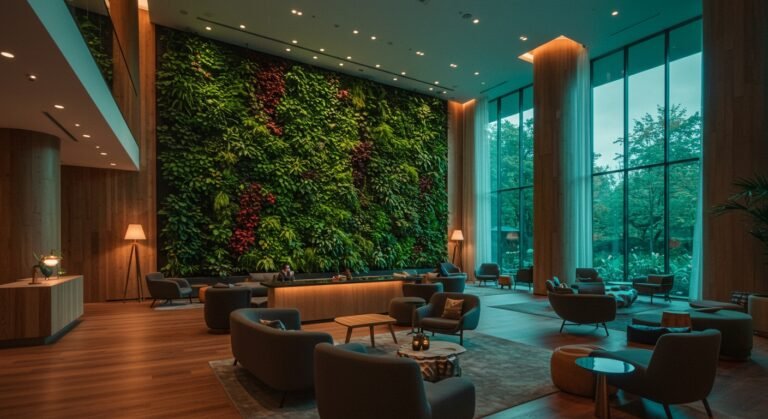
Biophilic design is emerging as a pivotal trend in luxury residential architecture, emphasizing a deep-rooted connection between inhabitants and the natural world. Integrating natural elements into home environments not only enhances aesthetic appeal but also significantly contributes to residents’ physical and psychological well-being. This design philosophy champions the incorporation of features such as indoor gardens, water features, and expansive windows that flood spaces with natural light, nurturing an atmosphere of tranquility and relaxation.
The psychological benefits of biophilic design are profound. Studies have indicated that exposure to natural elements within living spaces can lead to reduced stress levels, improved mood, and enhanced cognitive function. For instance, homes that include indoor gardens allow residents to interact with flora, promoting a restorative environment that fosters emotional stability. Water features, such as fountains or small ponds, further augment this effect by introducing soothing sounds and visual calmness, creating a sanctuary within the home.
Moreover, the architectural emphasis on large windows maximizes the influx of sunlight, bridging the divide between indoor and outdoor living spaces. This seamless transition encourages occupants to appreciate their surroundings and is essential for cultivating a sense of well-being. Additionally, luxury residences that boast open floor plans often extend living areas outdoors through patios and balconies, blurring the lines between interior environments and nature.
Notable projects around the globe exemplify the essence of biophilic design. For instance, a recent luxury development in Singapore integrates vertical gardens and rainwater harvesting systems, embodying sustainability alongside opulence. Such innovations highlight how natural elements can coexist harmoniously within residential design, ultimately enhancing the quality of life for those who inhabit these spaces. As the trend for biophilic design continues to grow, it is likely to redefine luxury living by prioritizing residents’ health and connection to nature.
Personalization and Customization in Design
As we move towards 2025, the trend in luxury residential design increasingly hinges on the concept of personalization and customization. Homeowners today seek to create living environments that not only meet their functional needs but also serve as a canvas for their individuality and personal style. This shift towards bespoke design marks a significant evolution in the approach that architects and designers take when collaborating with clients.
In the realm of luxury residences, personalized touches can be seen through an array of custom design elements, including tailored floor plans and unique finishes. For instance, homeowners might opt for a specific layout that maximizes their interaction with natural light or accommodates a particular lifestyle. This need for individuality has led to the rise of innovative solutions such as modular spaces that allow for flexibility and adapt to changing family dynamics.
Moreover, distinctive furnishings and finishes play a prominent role in this trend. Artisanal craftsmanship is increasingly valued as homeowners look for handcrafted furnishings that speak to their personal taste. From bespoke cabinetry to custom lighting fixtures, each element is selected or designed to reflect the owner’s personality, thus creating a cohesive and harmonious environment. Case studies illustrate the impact of such personalized design choices; for example, a recent project included a custom-made glass staircase, which not only serves a functional purpose but also acts as a striking visual centerpiece.
As contemporary designers embrace this approach, the collaboration process with clients has evolved into a more engaging and dynamic experience. Designers now host workshops where clients can explore materials, colors, and styles, ensuring that every aspect aligns with their vision. The emphasis on personalization and customization continues to shape the landscape of luxury residential design, resulting in spaces that are not only aesthetically pleasing but also deeply reflective of the homeowners’ unique identities.