
Turning Brand Values into Guest Experiences
Hospitality is more than providing a bed for the night — it is about crafting a narrative that guests can see, touch, and feel from the moment they arrive. The most successful hotels and resorts understand that every design choice tells part of their story. This is the essence of brand experience in hospitality design: turning abstract brand values into tangible guest experiences. When design is treated as a storytelling medium, it creates emotional connections that translate into guest loyalty, higher ratings, and increased revenue.
Aligning Physical and Sensory Elements with the Brand
A hotel’s brand is not defined solely by its logo or marketing campaigns; it is reinforced through every physical and sensory element of the property. Guests may forget the exact words of a brand promise, but they remember the way a lobby made them feel, the warmth of lighting in the bar, or the comfort of the furniture in their suite. Every detail, from architecture to FF&E selection, must align with the brand’s personality. This is where the principles outlined in The Psychology of Space: How Interior Design Shapes Guest Experience become critical, as they provide the foundation for creating meaningful and consistent design narratives.
Defining the Brand Story Before Design
To build a compelling brand experience, it is essential to start with a clear understanding of the brand story. This means defining not only the target market but also the emotional journey the property wants to create. Is the goal to convey urban sophistication, rustic charm, cultural authenticity, or wellness-focused tranquillity? Once the narrative is defined, every design element — colours, materials, textures, lighting, art — must reinforce that identity. Even operational decisions, such as staff uniforms and service choreography, should reflect the brand story.
Maintaining Consistency Across All Spaces
Consistency is a hallmark of strong hospitality brands. Inconsistencies — such as a minimalist modern lobby leading into outdated guestroom corridors — disrupt the narrative and weaken brand identity. This is why many successful properties partner with integrated design-build teams who can oversee the project from concept through fit-out, ensuring brand alignment at every stage. Arghco’s work across demonstrates how brand consistency can be achieved without sacrificing local character.
Integrating Local Storytelling for Authenticity
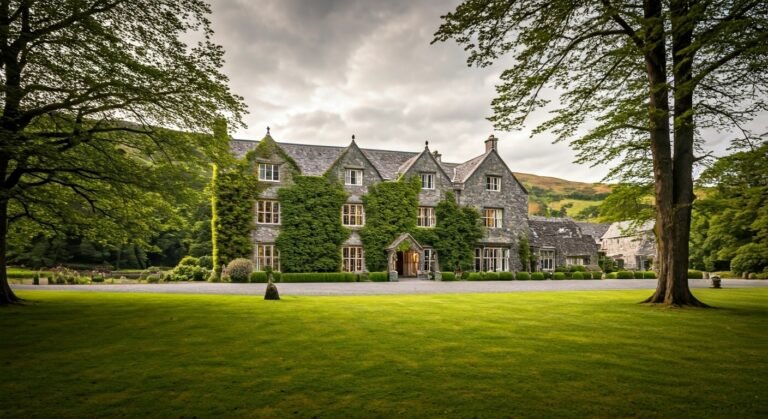
Local storytelling adds authenticity to a brand experience. Guests increasingly seek unique, location-specific stays rather than generic spaces that could exist anywhere in the world. A brand can integrate local materials, artisan craftsmanship, and cultural motifs while maintaining overall identity. For example, a global luxury brand might incorporate regionally inspired artworks or textiles, giving guests a sense of place without deviating from brand guidelines. This principle also aligns closely with Biophilic Design in Hospitality: Connecting Guests to Nature, as both use environmental context to create deeper guest connections.
Engaging the Senses for Deeper Impact
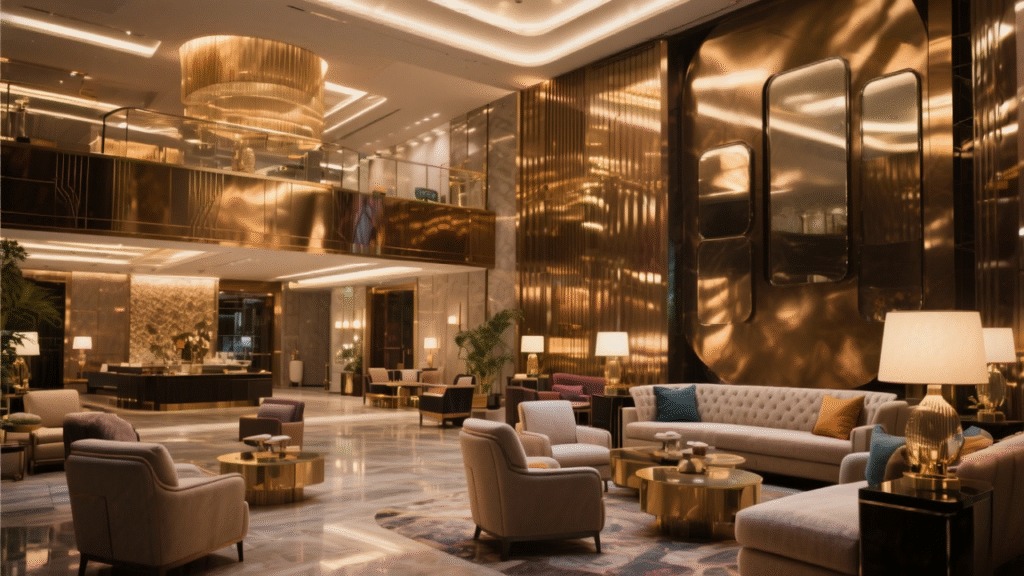
The sensory dimension of design is one of the most powerful storytelling tools. Visual design sets the scene, but sound, scent, and touch complete the experience. Soft background music in a spa reinforces calm, while the scent of freshly baked bread in a hotel café adds warmth and familiarity. Textures such as smooth marble, rich velvet, or weathered wood can convey luxury, intimacy, or heritage. These cues should be chosen deliberately to match brand positioning.
Lighting design is particularly influential in storytelling. Warm, low lighting can create intimacy in a romantic boutique hotel, while bright, dynamic lighting energises a modern city hotel lobby. The flexibility to adjust lighting for different times of day or events allows properties to adapt the mood while maintaining brand consistency. These lighting strategies also play a crucial role in guest psychology, bridging the ideas from April’s Psychology of Space article with tangible brand application.
Lighting as a Storytelling Tool
Technology integration should also be brand-consistent. A cutting-edge lifestyle hotel might offer app-controlled lighting and room service ordering, while a heritage property could integrate discreet, hidden technology to preserve a classic aesthetic. The key is to ensure that technology enhances the guest experience without clashing with the brand story.
Ensuring Technology Matches the Brand
Brand storytelling in design is not static. As guest expectations evolve, brands must adapt while retaining their core identity. This might mean introducing sustainable materials to align with eco-conscious trends, or incorporating wellness-focused spaces to meet changing traveller priorities. The adaptability of brand experience is a key reason why design-build-fit-out models are so effective — they allow changes to be implemented holistically rather than in disjointed updates.
Conclusion: Emotional Resonance Builds Loyalty
Ultimately, the brand experience in hospitality design is about emotional resonance. A well-told story stays with guests long after they check out, influencing whether they return or recommend the property to others. When the environment communicates the brand message consistently and meaningfully, it transforms a stay into an experience, and an experience into a lasting relationship.