
Introduction to the Design-Build Process
The design-build process represents a significant evolution in the construction industry, embodying a unified approach to project delivery. Historically, the construction sector predominantly adhered to the traditional design-bid-build methodology, where the design and construction phases were distinctly separate. In this conventional model, an owner engages an architect or designer to create plans, which are then tendered to contractors for bidding. This segmentation often results in prolonged project timelines, increased costs, and communication gaps among stakeholders.
In contrast, the design-build model consolidates the roles of design and construction under one entity, typically referred to as the design-builder. This unified team approach streamlines communication, as the same organization is responsible for both the design and construction phases. It fosters collaboration and facilitates problem-solving, ultimately leading to improved project efficiency. Over the years, this method has gained traction due to its potential to deliver high-quality outcomes within shorter timeframes and often at reduced costs.
Key stakeholders in the design-build process include the owner, the design-builder, and subcontractors. The owner plays a critical role in defining project requirements and providing input throughout the process. The design-builder, which may include architects, engineers, and construction managers, acts as the main point of contact and decision-making authority. Subcontractors are engaged to perform specific tasks and contribute their expertise at various stages of the project. This integrated approach fosters a collaborative environment where all parties work towards a common goal, enhancing overall project performance.
The advantages of adopting the design-build methodology are manifold. They include faster project delivery, reduced risk of cost overruns, and enhanced communication. By consolidating services into a single contract, project owners benefit from a simplified process and a more cohesive team effort, thereby increasing the likelihood of achieving project success. The design-build process represents a modern solution that addresses many challenges inherent in traditional construction methods, making it an increasingly popular choice for both public and private projects.
Key Stages of the Design-Build Process
The design-build process is a streamlined approach to construction that merges design and construction services under one contract. This methodology enhances collaboration and communication among stakeholders, resulting in efficient project delivery. The process can be divided into several key stages, each playing a crucial role in the success of the project.
The first stage is project initiation, which involves defining the project goals, budget, and timeline. During this phase, stakeholders—including clients, designers, and builders—engage in discussions to understand the project requirements thoroughly. It is essential to establish clear lines of communication to ensure that all parties share the same vision from the outset.
Following initiation, the process moves to the conceptual design phase. Here, initial ideas are transformed into visual representations through sketches and models. The focus is on generating innovative concepts that align with the client’s objectives and adhering to regulatory requirements. It is during this stage that feedback from the client is essential to refine the design approach further.
The next stage is detailed design, where architectural, structural, and engineering specifics are developed. This involves creating more precise drawings and specifications that guide the construction process. Collaboration remains vital, as designers and builders work together to address any potential challenges that may arise, ensuring that the project remains within the defined scope and budget.
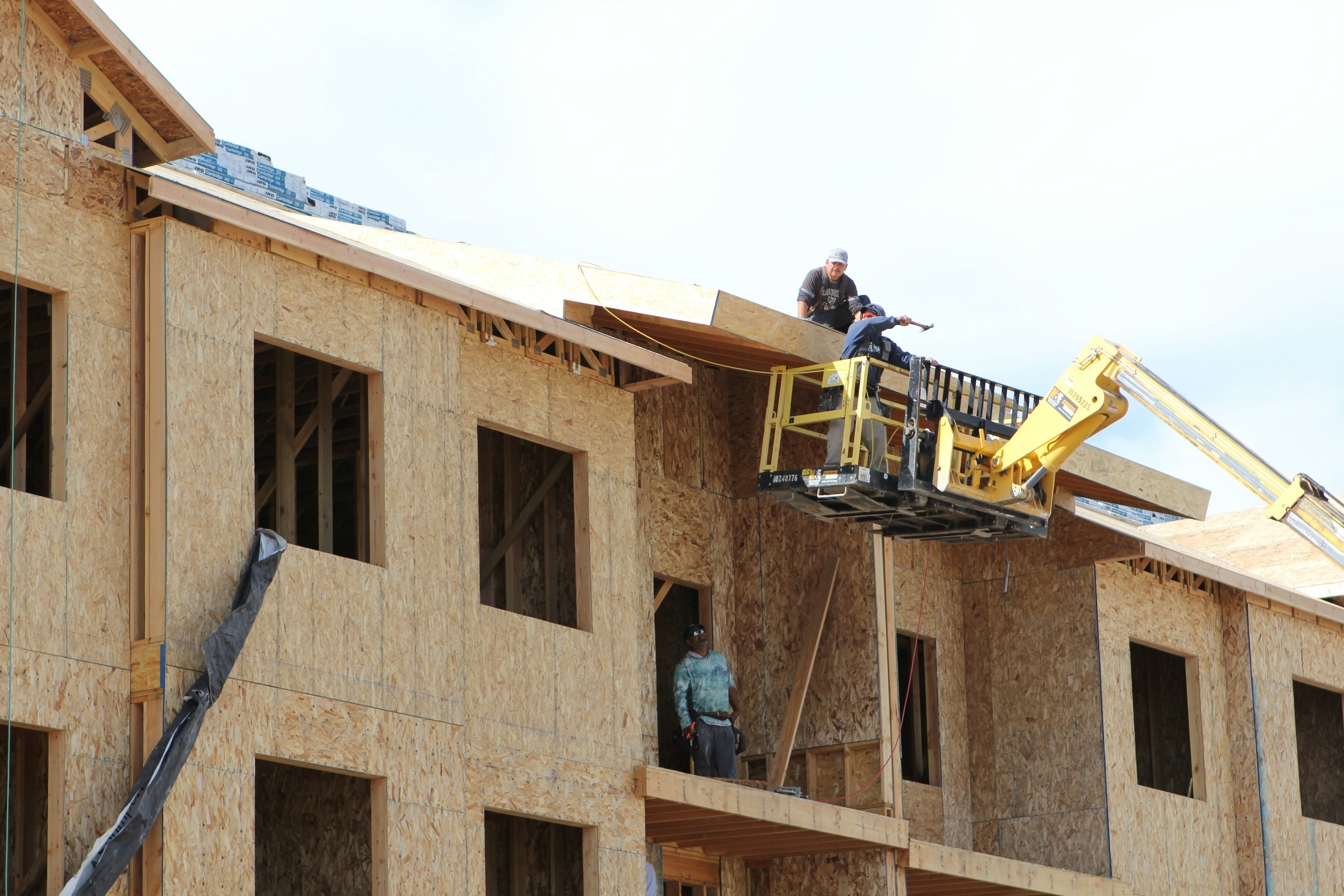
Once the detailed design is finalized, the construction phase commences. Here, the plans come to life, and builders execute the project based on the approved designs. Regular communication is vital during this stage, as it allows for timely updates and adjustments to meet any unforeseen circumstances.
Finally, the project closeout stage involves final inspections, ensuring all aspects of the project meet specified standards, and completing any necessary paperwork. Deliverables are submitted, and feedback is gathered from all parties. This culminates in a successful transition from blueprint to reality, exemplifying the effectiveness of the design-build process.
Benefits of the Design-Build Approach
The design-build approach has gained traction within the construction industry as a preferred method for project execution, largely due to its ability to streamline processes and enhance collaboration between stakeholders. One of the primary benefits of this integrated method is improved communication. In a design-build framework, both designers and builders work collaboratively from the project’s inception. This integration fosters an environment where concerns and adjustments can be swiftly addressed, reducing misunderstandings and creating a more cohesive project vision.
Another significant advantage of the design-build process is the potential for quicker project delivery timelines. By uniting design and construction phases, overlaps in schedules are minimized, allowing for a more efficient workflow. For example, with traditional methods, design work typically precedes construction entirely; however, in a design-build scenario, certain construction elements may commence while design details are still being finalized. This collaborative approach enables quicker completion times, which can be critical for clients with tight deadlines.
Cost efficiency is also a defining characteristic of the design-build method. The unified team can provide accurate budget estimates early on and identify potential cost-saving measures throughout the project. This proactive management of resources often leads to reduced overall project costs. Industry experts consistently note that design-build projects have lower instances of budget overruns compared to traditional models. Additionally, because the design-build team is accountable for both the design and construction, the risk of disputes is significantly reduced. Disputes often arise from communication gaps between separate architects and contractors; however, the design-build model mitigates this risk through its inclusive framework.
Real-world applications of the design-build approach further demonstrate its effectiveness. Numerous construction professionals have reported successful outcomes, pointing to enhanced satisfaction rates from clients who appreciate the seamless coordination and clarity that the design-build method brings to their projects.
Common Challenges and Solutions in Design-Build
The design-build process, while often lauded for its efficiency and streamlined approach, is not without its challenges. One common issue encountered is coordination among team members. When architects, engineers, and contractors work separately, miscommunication can lead to delays and costly errors. To mitigate this, it is vital to establish regular communication channels and hold frequent meetings. Utilizing collaborative project management software can also enhance transparency and ensure that team members are aligned.
Another significant challenge is scope creep, which occurs when the project’s scope expands beyond its original parameters, often due to changing client needs or expectations. This phenomenon can lead to budget overruns and timeline delays, jeopardizing the project’s success. To combat scope creep effectively, it is essential to define project scope clearly from the outset and maintain ongoing dialogue with the client. Establishing a change management protocol will also provide a structured approach to handling alterations, ensuring that modifications are evaluated before being approved.
Managing client expectations represents another critical aspect of the design-build process. Clients may have varying levels of understanding about how the design and construction phases interact, leading to dissatisfaction if their expectations are not met. To address this, involving clients in regular updates and design reviews can foster a better understanding of project progress and challenges. Providing visual aids, such as 3D renderings and project timelines, can help clients visualize the end product and align their expectations accordingly.
In practice, numerous case studies demonstrate these challenges and solutions. For instance, a recent commercial building project faced significant coordination issues but succeeded through enhanced team communication and stakeholder engagement. By adopting adaptive project management techniques, the team was able to navigate unexpected changes effectively, ensuring a successful outcome.