

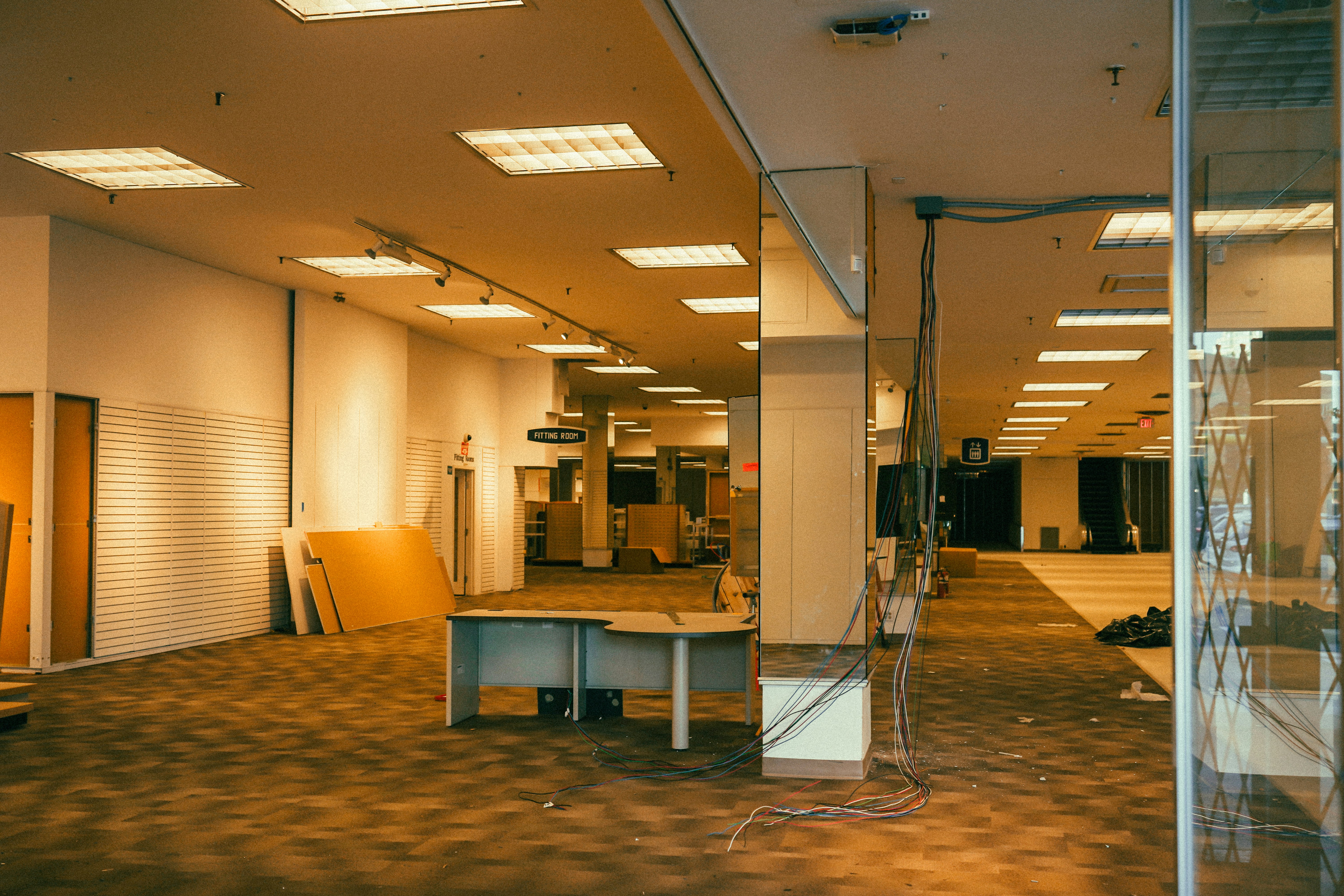
Understanding the Fit-Out Process
The fit-out process is a crucial aspect of preparing a commercial space for occupancy, transforming a bare area into a functional and aesthetically pleasing environment. Essentially, a fit-out involves the installation of interior elements such as walls, floors, and ceilings to make the space usable. Understanding the nuances of fit-outs can facilitate more effective planning and execution, which in turn maximizes both operational efficiency and employee satisfaction.
There are primarily two types of fit-outs: shell and core fit-out, and Category A vs. Category B fit-out. A shell and core fit-out refers to the basic structure of the building—its exterior walls, roof, and essential services—while leaving the interior unfinished. This type of fit-out provides tenants with a blank canvas, allowing them the freedom to customize the interior to suit their specific needs and branding. In contrast, a Category A fit-out generally includes basic finishes, such as installing ceilings, lighting, and mechanical systems. It prepares the space for occupancy but does not incorporate any specialized internal features. Meanwhile, a Category B fit-out goes a step further; it is tailored to a tenant’s specific requirements, adding elements such as partitions, furnishings, and specialized equipment.
The importance of a well-planned fit-out cannot be overstated. A thoughtfully executed fit-out enhances operational efficiency by optimizing workflows and facilitating collaboration among employees. Furthermore, an attractive and comfortable work environment can significantly boost employee morale and productivity. Prioritizing logistical considerations, such as timelines, budget constraints, and compliance with local regulations, is essential in the preparatory phase before embarking on the fit-out. This comprehensive understanding lays the groundwork for an effective commercial space transformation, ultimately resulting in a successful and harmonious working environment.
Assessing Your Current Space
Before embarking on a major fit-out of your commercial space, it is crucial to conduct a thorough assessment of the existing environment. Evaluating the current layout is the first step in understanding how the space can be best utilized. Consider whether the existing layout effectively supports the operational needs of your business. Observe the flow of movement within the area and identify any bottlenecks or underutilized spaces that may require redesigning.
Furthermore, it is essential to determine which features should be retained or removed to facilitate an efficient fit-out. This may include evaluating furniture, fixtures, and equipment that contribute to the functionality of the space. Retaining elements that enhance the aesthetic and operational aspects of your commercial property can be beneficial, while obsolete or non-functional components should be scheduled for removal. This analysis will help in establishing a clear vision of what the new design should achieve.
Structural issues can significantly impact the fit-out process. Conduct a detailed inspection of the premises to identify any potential problem areas, such as plumbing, electrical, HVAC systems, or any structural deficiencies. Addressing these issues prior to initiating the fit-out will not only save time but also prevent costly adjustments during the renovation process.
Involving key stakeholders in the assessment phase is vital. Engaging those who regularly utilize the space, such as employees or management, can yield valuable insights that may affect the overall design. Gathering their input ensures that the new space aligns with the needs and preferences of all users, creating an environment that fosters productivity and satisfaction. Taking the time to thoroughly assess your current commercial space will lay a strong foundation for a successful fit-out project.
Planning and Budgeting for Your Fit-Out
Successfully preparing for a commercial fit-out requires meticulous planning and budgeting. The first step is to define clear objectives for the project. Identifying the primary goals ensures that the fit-out aligns with the operational and aesthetic needs of the space. Companies should consider the functionality, workflow, and branding elements that will enhance the workspace. With these objectives outlined, stakeholders can better navigate the complexities of the project.
Next, it is essential to estimate costs comprehensively. This involves researching the average rates for materials, labor, and furnishings within the industry. Utilizing historical data from past projects can aid in developing a realistic budget. Furthermore, as costs can fluctuate, incorporating a contingency fund of approximately 10-20% of the total budget is advisable to accommodate any unexpected expenses that may arise during the fit-out process.
Creating a timeline is another critical aspect of project planning. Establishing clear milestones for various stages of the fit-out helps in maintaining momentum while also highlighting potential bottlenecks. Project managers should be aware of seasonal challenges or holidays that could impact timelines, as well as how those interruptions might affect overall business operations.
Another important consideration is to prioritize needs versus wants. While it may be tempting to include every desired feature in the fit-out, assessing what elements are essential for functionality versus what is merely aesthetic ensures that resources are allocated efficiently. Engaging with experienced contractors and design professionals can also contribute to a more accurate budgeting process. Obtaining multiple quotes allows a comprehensive comparison of services and pricing, aiding in making informed decisions.
In conclusion, effective planning and budgeting form the cornerstone of a successful commercial fit-out. By setting clear objectives, estimating costs realistically, and prioritizing needs, businesses can navigate the fit-out process with greater assurance and clarity.
Engaging Professionals and Compliance Considerations
When undertaking a significant fit-out for a commercial space, engaging the right professionals is paramount. Experienced architects and contractors not only bring a wealth of expertise but also play an essential role in navigating the complexities of building codes, zoning regulations, and other compliance issues that may arise throughout the project. These regulations are critical to ensuring that the fit-out aligns with local laws, safety standards, and functional needs of the space. Partnering with established professionals who are familiar with these regulations can mitigate risks and avoid costly delays or legal complications.
It is vital to choose architects and contractors who possess both credibility and a proven track record in commercial fit-outs. Their knowledge of compliance matters can ease your project’s workflow and ensure that the design is not just aesthetically pleasing but also functional and lawful. During the selection process, reviewing previous projects and client testimonials allows for a more informed choice. This strategic approach sets the foundation for a productive collaboration, ultimately enhancing the project’s overall success.
Effective communication with your chosen contractors and designers is also crucial throughout the fit-out process. Clearly defining your vision and expectations will help align goals and minimize misunderstandings. Regular updates and meetings can facilitate a smooth exchange of ideas, enabling professionals to provide input on feasibility and compliance issues. Utilizing project management tools or platforms can further streamline this communication, ensuring that every stakeholder remains informed and engaged.
In conclusion, engaging skilled professionals is critical when preparing your commercial space for a major fit-out. Navigating compliance considerations with their expertise will not only enhance project execution but also ensure that the end result meets both regulatory requirements and your vision for the commercial environment.
