
Why Technology Needs to Disappear into Design
In high-end hospitality, guests expect the latest technology — from seamless check-in experiences to intuitive in-room controls — but they also expect a refined aesthetic. Technology that is too prominent can quickly date an interior, disrupt ambience, and undermine a timeless design. The challenge for designers and operators is to integrate advanced systems so subtly that they enhance the experience without overshadowing the space.
The Risk of Visible Technology
Screens, cables, and hardware change rapidly in both form and function. What feels cutting-edge today can look outdated in just a few years, forcing costly upgrades or complete redesigns. In classic interiors, visible technology can clash with architectural details, high-end finishes, or historical motifs. This is why planning for technology integration from the earliest design stages is essential — a principle that complements the long-term thinking outlined in Designing for Longevity: Key Elements of Classic Design for Hospitality.
Infrastructure Planning for Future Upgrades
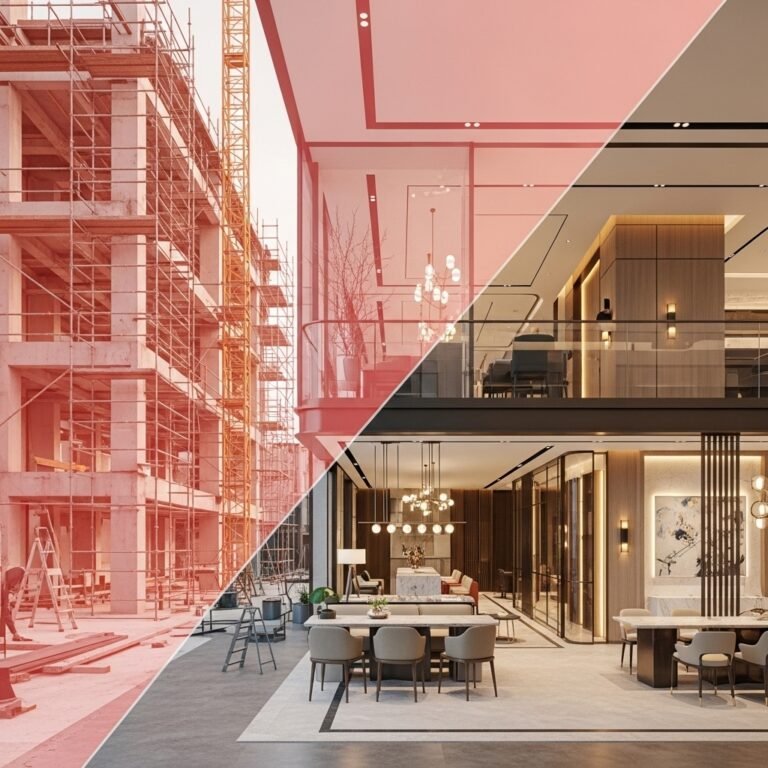
Future-proofing starts behind the walls. Concealed wiring channels, raised access floors, and modular ceiling systems allow for quick updates without structural disruption. Including extra conduits and service points during construction ensures that new systems can be installed without invasive work. This planning protects both operational efficiency and the integrity of the interior.
Blending Hardware with Architectural Features
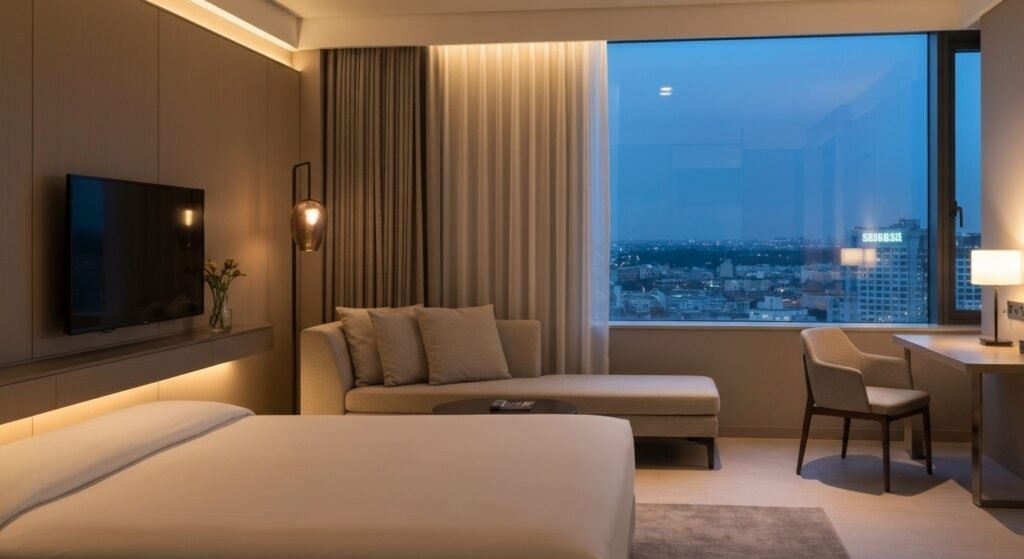
When technology must be visible, it should be seamlessly incorporated into the architecture. For example, television screens can be recessed into wall panelling, framed like artwork, or hidden behind sliding panels. Speakers can be integrated into ceiling coffers, and lighting controls can be built into furniture. This approach ensures that tech feels like a natural extension of the design rather than an afterthought.
Adaptive Lighting Systems
Lighting is one of the easiest technologies to integrate without compromising design. Modern LED and circadian lighting systems can be controlled wirelessly, allowing mood adjustments throughout the day. Fixtures with classic forms can be retrofitted with smart bulbs or control modules, combining timeless aesthetics with modern flexibility. This aligns with the sustainable and wellness-focused principles discussed in Sustainable Luxury: Eco-Friendly Materials for High-End Hospitality.
Discreet Audio and Visual Solutions
Audio-visual technology can be essential in hospitality spaces, from conference facilities to entertainment lounges. Discreet solutions — such as micro-speakers, retractable projection systems, or displays embedded into mirror glass — allow spaces to serve multiple purposes without compromising their style. When inactive, these systems should be virtually invisible.
Smart Room Features that Enhance, Not Distract
In guestrooms, technology should feel intuitive and non-intrusive. Voice-activated assistants, automated climate control, and mobile key access can all enhance convenience, but their interfaces should be clean, discreet, and easy to use. Cluttered control panels or visible wiring detract from both the guest experience and the design intent.
Technology and Sustainability Synergy
Energy management systems, smart thermostats, and occupancy sensors are examples of technology that can support both operational savings and environmental goals. Integrating these systems into a timeless design ensures they deliver value long after installation. This synergy reinforces the sustainable principles explored in Biophilic Design in Hospitality: Connecting Guests to Nature.
Training Staff to Maintain Technology Integration
Even the most elegantly integrated system can become an eyesore if poorly maintained. Staff should be trained to operate, clean, and troubleshoot systems discreetly. Routine maintenance schedules should include checks for exposed wiring, misaligned panels, or outdated interfaces to ensure the design remains seamless.
Guest Perception and Brand Positioning
Guests increasingly associate discreet technology with luxury. They expect functionality without visual clutter — a balance that positions a property as both sophisticated and forward-thinking. The ability to combine technological innovation with a cohesive, timeless aesthetic is a key differentiator in competitive hospitality markets.
Conclusion: The Invisible Advantage
The best hospitality technology is the kind guests hardly notice — until it makes their experience easier, more comfortable, and more memorable. By integrating systems subtly and planning for future upgrades, hotels and resorts can deliver cutting-edge convenience without compromising design integrity. This balance ensures that technology remains an asset rather than a liability, protecting both the guest experience and the long-term value of the property.