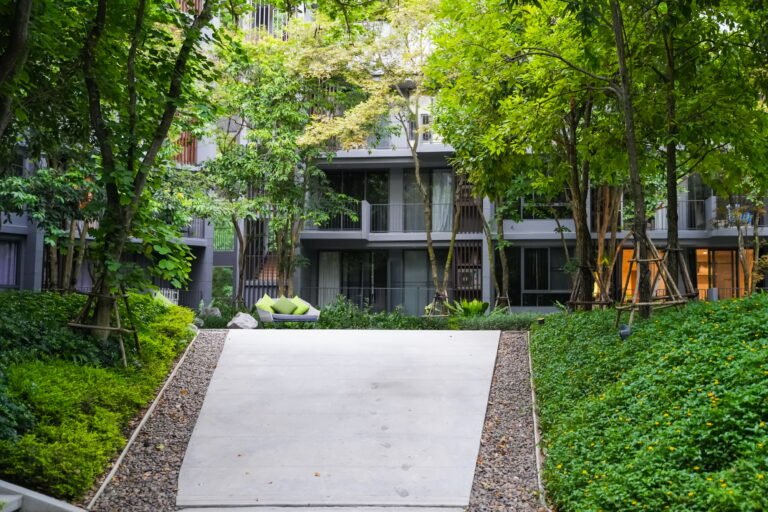


Why we use Biophilic Design Methods
Biophilic design is an approach to architecture and interior design that aims to bring people closer to nature by incorporating natural elements and features into the built environment. It is rooted in the understanding that spaces should foster a connection with nature to enhance the well-being of their occupants.
One of the primary reasons for adopting biophilic design is the wide range of benefits it offers. Incorporating natural lighting and ventilation into buildings can reduce energy consumption while creating a healthier and more enjoyable indoor environment. Natural light has been shown to boost mood, increase productivity, and improve overall well-being.
Biophilic principles also encourage the integration of natural landscape features such as gardens, green walls, and rooftop gardens. These not only elevate the aesthetic appeal of a space but also provide opportunities for relaxation, reduce stress, and improve air quality. Research consistently shows that exposure to nature supports mental health and helps lower stress and anxiety levels.
In personal residences, the benefits can be even greater. Living in a home designed with biophilic principles can enhance quality of life, promote better sleep, and increase feelings of happiness and contentment. This connection to nature creates a sense of tranquility and peace, transforming a house into a sanctuary.
In summary, biophilic design offers a valuable approach for creating healthier, more productive, and visually engaging spaces. By integrating natural elements into the built environment, it is possible to significantly improve the comfort, well-being, and overall experience of those who live and work within it.