

Let’s face it, the competitive hospitality industry, the pressure to stand out often drives rapid design trends and short-lived aesthetics. While trendy interiors can generate initial buzz, they often require costly updates within a few years. In contrast, a classic design approach focuses on timeless appeal, functional durability, and adaptability, ensuring a hospitality space remains relevant and visually compelling for decades.
At Arghco, we believe longevity in design is not just a matter of taste — it is a strategic business decision that protects investment, strengthens brand identity, and reduces long-term operational costs.
Defining “Classic” in Hospitality Design
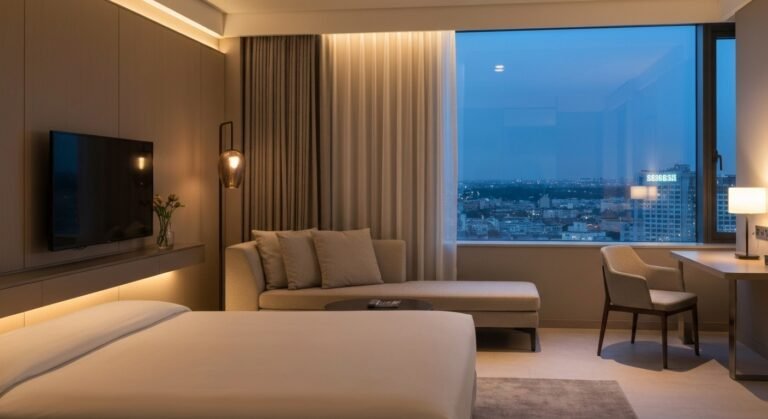
Classic hospitality design is not about replicating historical styles; it is about creating spaces that feel relevant year after year. This requires a balance of proportion, symmetry, and timeless materials, combined with an adaptable layout. A truly classic space can incorporate subtle modern updates without losing its identity.
In hospitality, “classic” means:
- An enduring palette of colours that will not look dated within a decade
- Architectural details that retain elegance over time
- A design that adapts to seasonal trends without major renovation
- Materials that withstand constant guest use
By integrating these qualities from the start, operators avoid costly full-scale redesigns while maintaining a fresh and appealing atmosphere.
The Business Case for Longevity
From an investor’s perspective, timeless design is a form of asset protection. Hotels, resorts, and restaurants are high-traffic environments where refurbishment cycles can be expensive and disruptive. A classic design reduces the need for frequent overhauls, extending the lifecycle of both interiors and brand identity.
Longevity also builds guest loyalty. Returning guests appreciate a sense of familiarity — the feeling that their favourite property retains its essence even as subtle enhancements are introduced. This balance between consistency and freshness fosters trust, a critical component in hospitality brand equity.
Material Selection: The Foundation of Durability
In hospitality, materials are the frontline defence against wear and tear. Choosing finishes that age gracefully is essential.
Key considerations include:
- Natural stone such as marble, granite, or limestone for flooring and countertops — these develop a patina rather than appearing worn.
- Solid hardwoods for furniture and wall panelling — repairable and refinishable over time.
- High-grade upholstery fabrics with stain resistance and rub counts suitable for commercial use.
- Metals such as brass or bronze that can be polished or left to age with character.
Investing in superior materials may cost more initially, but it dramatically reduces long-term replacement expenses.
Colour Palettes That Endure
Colour trends can date a space within months, but certain palettes offer timeless appeal. In hospitality, the most enduring combinations are inspired by nature — warm neutrals, deep earth tones, muted greens, and soft blues.
Accent colours can be updated through accessories, artwork, or seasonal decor, avoiding the need to repaint or replace large surfaces. This modular approach to colour keeps a space relevant without the expense of a full redesign.
Layout and Flow for Operational Efficiency
Classic design also applies to spatial planning. A well-designed hospitality space prioritises guest experience and staff efficiency, ensuring that the layout remains functional as operational needs evolve.
Best practices include:
- Clear sightlines from entrances to key features like reception desks, bars, or focal art pieces.
- Flexible furniture arrangements to accommodate varying guest volumes.
- Circulation paths that separate guest and staff traffic to improve service speed.
An adaptable layout future-proofs a venue, allowing for easy updates in service models or branding.
Architectural Detailing and Statement Features
Architectural detailing is one of the strongest indicators of timeless design. Elements such as coffered ceilings, wainscoting, arched doorways, and classic moulding profiles create visual interest without relying on short-lived fashion trends.
Pairing these with one or two enduring statement features — a grand staircase, a feature fireplace, or a bespoke chandelier — provides a focal point that can define the property for decades.
Integrating Technology Without Dating the Design
Technology evolves rapidly, but this should not compromise the aesthetic longevity of a hospitality space. The key is to integrate technology discreetly, ensuring that when hardware changes, the design remains intact.
Strategies include:
- Concealed cabling and wall panels for easy tech upgrades
- Modular lighting and AV systems that can be replaced without construction
- Digital amenities presented through classic furniture elements (e.g., hidden charging stations in side tables)
This approach maintains the visual integrity of the space while allowing for continuous technological advancement.
Sustainable and Ethical Design Choices
Longevity is inherently sustainable. Choosing materials and designs that last reduces waste and resource consumption over the lifetime of a property.
In addition, incorporating locally sourced materials, artisan craftsmanship, and energy-efficient systems aligns with the growing guest preference for eco-conscious brands. This combination of durability and sustainability strengthens both brand story and market positioning.
The Role of Lighting in Timeless Ambience
Lighting is a subtle but powerful driver of longevity in design. Classic hospitality lighting schemes use layered illumination — combining ambient, task, and accent lighting to create depth and flexibility.
Warm-toned LED lighting offers energy efficiency while maintaining a welcoming glow. Fixtures should have a timeless form, allowing lamp technology to be upgraded without altering the fixture itself.
Partnering with the Right Design-Build Team
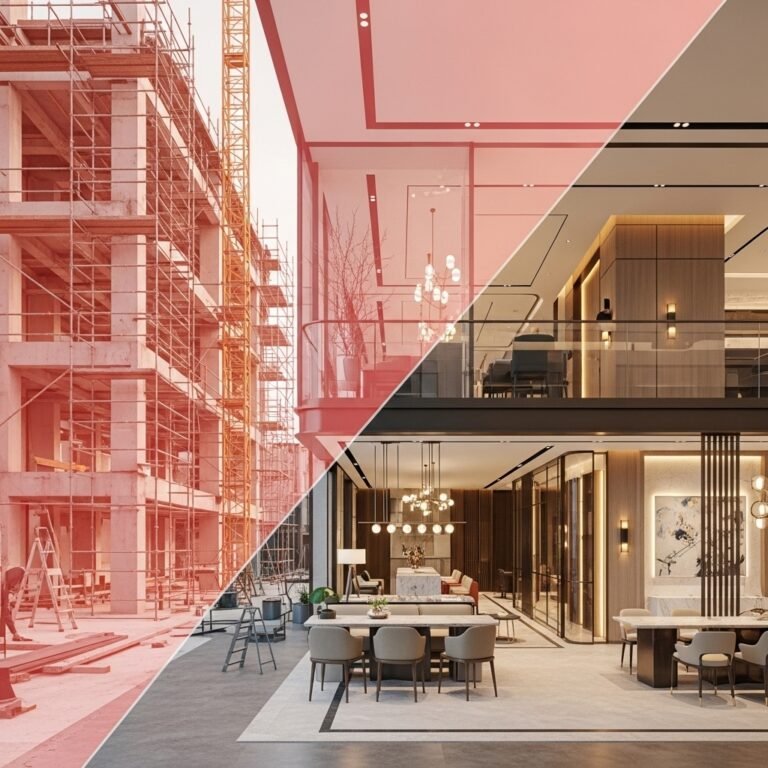
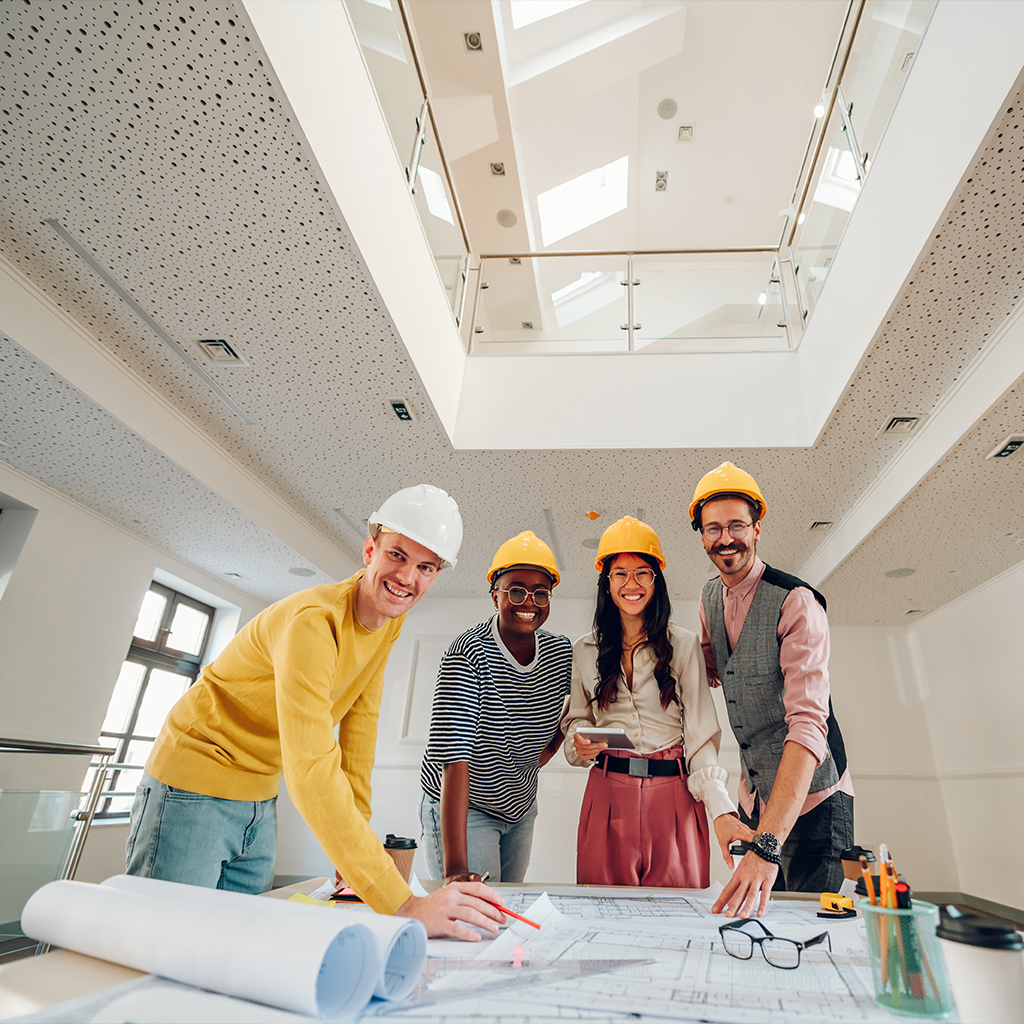
The success of a longevity-focused design depends on the expertise of the design-build team. Working with specialists who understand both hospitality branding and operational realities ensures that the final space is not only beautiful but functional for decades.
At Arghco, we integrate architectural vision, interior design precision, and construction excellence to deliver spaces that meet today’s needs while anticipating tomorrow’s. Our approach ensures that hospitality properties achieve maximum return on investment and sustained guest appeal.
Conclusion
Designing for longevity in hospitality is a blend of artistry, engineering, and strategic foresight. By focusing on timeless aesthetics, durable materials, adaptable layouts, and sustainable practices, investors and operators create spaces that endure in both form and function.
A classic design approach is more than a style choice — it is a business strategy that preserves capital, protects brand identity, and delivers consistent guest satisfaction year after year.