
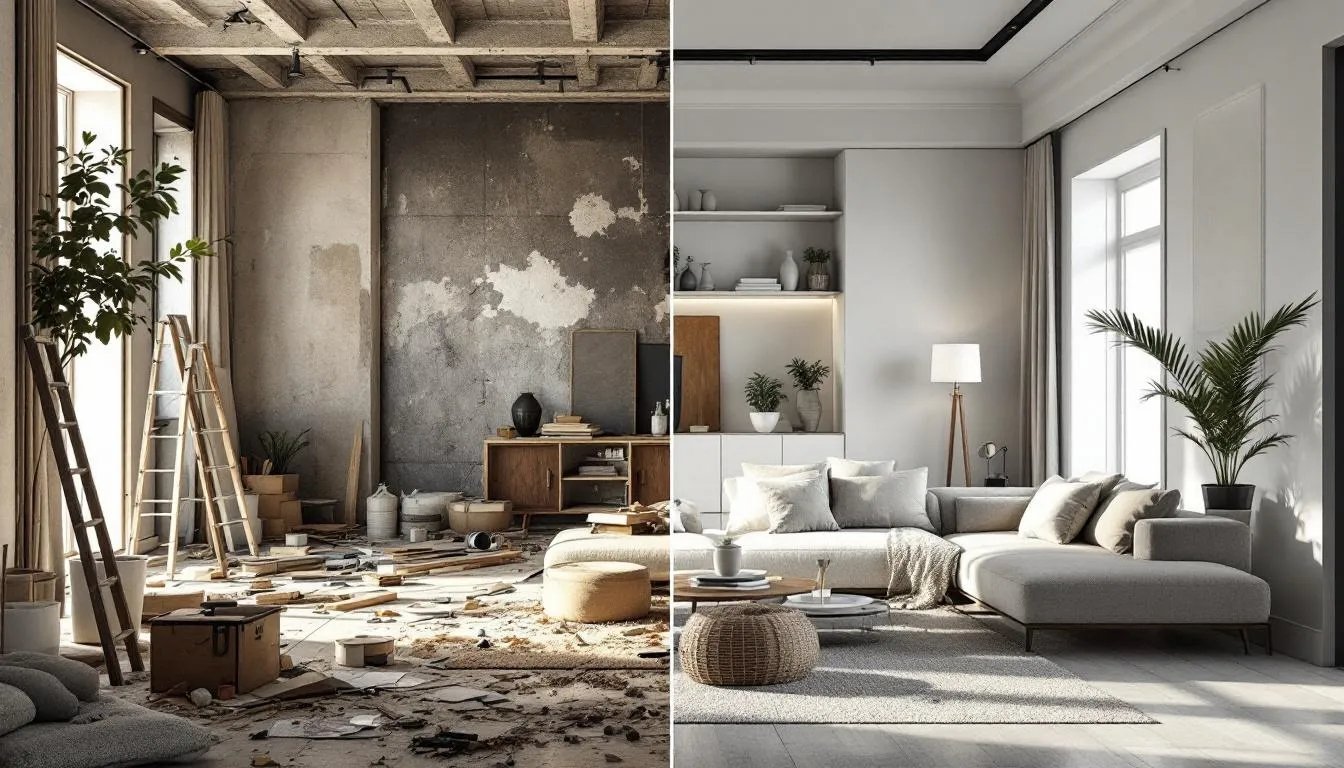
Before we compare procurement methods, it’s important to clarify what we mean by a fit-out. In construction and interior design, a fit-out refers to the process of turning an empty or shell space into a functional, finished environment.
A fit-out can involve:
- Installing partitions, flooring, ceilings, and finishes
- Adding lighting, HVAC (heating, ventilation, and air conditioning), and MEP (mechanical, electrical, plumbing) services
- Incorporating bespoke joinery, branding elements, and FF&E (Furniture, Fixtures & Equipment)
- Integrating technology, from cabling and Wi-Fi networks to AV systems and smart controls
Fit-outs can be Category A (base finishes, lighting, mechanical and electrical systems ready for tenant fit-out) or Category B (fully finished, branded, and operational spaces).
The Traditional Method
In the traditional procurement route, the client appoints a professional design team before selecting a contractor. This design team typically includes:
- Architects – Responsible for the concept, layouts, and compliance with building codes.
- Interior Designers – Focused on aesthetics, finishes, and functionality.
- Quantity Surveyors – Manage cost planning, budgeting, and financial control.
- Engineers – Provide structural, mechanical, and electrical expertise.
Once the design is complete, the project is tendered to contractors. These contractors submit bids, and the client — with advice from the design team — chooses the most suitable one.
The design team remains engaged during construction, supervising the contractor, ensuring quality, and managing communication between all parties.
Advantages of the Traditional Method
- Independent Advice – The design team works directly for you, not the contractor. Their recommendations are aligned with your goals, rather than optimising contractor profit margins.
- Design Control – The design is finalised before construction begins, giving you a clear picture of the end product.
- Competitive Tendering – Multiple contractors compete for your project, which can sometimes lower costs.
- Flexibility in Location – If you are rolling out multiple projects (e.g., offices or stores) in different locations, you can retain the same design team while hiring local contractors for each site — potentially reducing travel and accommodation expenses.
Potential Disadvantages of the Traditional Method
- Longer Timelines – Because design and tendering are completed before construction starts, there is less overlap in the process.
- Potential for Disputes – With separate design and build teams, disagreements over specifications, scope changes, or unforeseen issues can arise.
- Higher Risk of Cost Overruns – If designs need to be changed after tendering, costs can escalate quickly.
The Design & Build Method
In the design & build approach, you appoint one company to handle the entire process — from concept design to final construction and fit-out.
This company is responsible for:
- Producing the design
- Managing engineering and technical input
- Procuring materials and trades
- Overseeing construction and installation
- Delivering the project ready for use
All decision-making and accountability are under one roof, with a single point of contact for you as the client.
Advantages of the Design & Build Method
- Single Point of Contact – Communication is streamlined. You deal with one team that manages the entire process.
- Faster Delivery – Design and construction phases can overlap, allowing works to start sooner while details are still being finalised.
- Cost Certainty Earlier – Because the contractor is involved from the start, budgets can be established early and maintained throughout the project.
- Collaborative Problem-Solving – Designers and builders work side by side, meaning challenges can be resolved quickly without long approval chains.
- Potential Cost Savings – With one team managing the whole process, opportunities for value engineering are easier to spot and implement.
- Less Administrative Burden – You don’t need to manage multiple contracts with different suppliers and consultants.
Potential Disadvantages of the Design & Build Method
- Less Independent Design Advice – The design is created by the contractor’s team, whose priorities may balance cost and aesthetics differently.
- Reduced Tender Competition – You don’t have multiple contractors bidding for the build stage, which could mean higher initial pricing (although efficiencies often offset this).
Which Approach is Right for You?
Choosing between traditional procurement and design & build depends on your priorities.
Choose Traditional Procurement if:
- You want maximum design control and independent advice.
- Your project is complex and requires specialist consultants from the outset.
- You’re rolling out similar projects in different locations and want to keep a consistent design team while sourcing local contractors.
Choose Design & Build if:
- You want a faster, more streamlined process.
- You prefer to have a single point of accountability.
- You value cost certainty and integrated project management.
- You want design and construction teams collaborating from day one.
Why Arghco Recommends the Design & Build Model for Many Fit-Outs
At Arghco, we work across both procurement models — but for many clients, especially in hospitality, retail, luxury residential, and commercial sectors, the design & build approach offers clear advantages.
By integrating design, build, fit-out, and technical services under one roof, we:
- Deliver projects faster without sacrificing quality.
- Maintain cost control from the earliest stages.
- Ensure seamless coordination between architects, designers, engineers, and trades.
- Simplify communication, giving you one dedicated point of contact.
Our Fully Integrated Fit-Out Process
Whether in Ireland, the UK, Spain, Portugal, or anywhere in Europe, our process follows these steps:
- Discovery & Briefing – Understanding your vision, brand requirements, and operational needs.
- Concept Design & Budgeting – Developing initial designs alongside accurate cost projections.
- Detailed Design & Specification – Refining layouts, finishes, FF&E, and technical details.
- Procurement – Leveraging our supplier network for quality materials and cost efficiency.
- Construction & Fit-Out – Coordinating all trades to ensure precision and brand compliance.
- Quality Control & Handover – Final checks, styling, and client walkthrough.
Final Thoughts
Both traditional procurement and design & build can deliver successful fit-outs when managed well. The key is aligning your procurement method with your timeline, budget, and quality expectations.
For many of our clients, the design & build approach provides the speed, efficiency, and simplicity they need — particularly when working across multiple sites in different countries.
At Arghco, we pride ourselves on delivering fit-out solutions that inspire, perform, and endure — no matter the procurement route. If you’re planning a fit-out and want expert advice tailored to your project, our team is ready to guide you from concept to completion.